How to Check Your Pulse at Home: Simple Step-by-Step Guide
Learn how to monitor your pulse at home, including where to check, normal heart rate ranges, and tips for accurate heart rate measurement.




The pulse is the rhythmic beat of the heart, which can be detected at various parts of the body. The pulse can be a method to assess the condition of the heart without medical instruments, using just your fingers.
Pulse is the rhythmic pulsation of the blood vessels. The pulse beats as the heart pumps blood throughout the body. It helps to measure the heart rate, rhythm, and overall heart condition.
The pulse can be used to assess:
Measurement of heart rate
Rhythm of the heart (regular or irregular)
Monitor fitness level or response to exercise
Detect potential cardiovascular issues
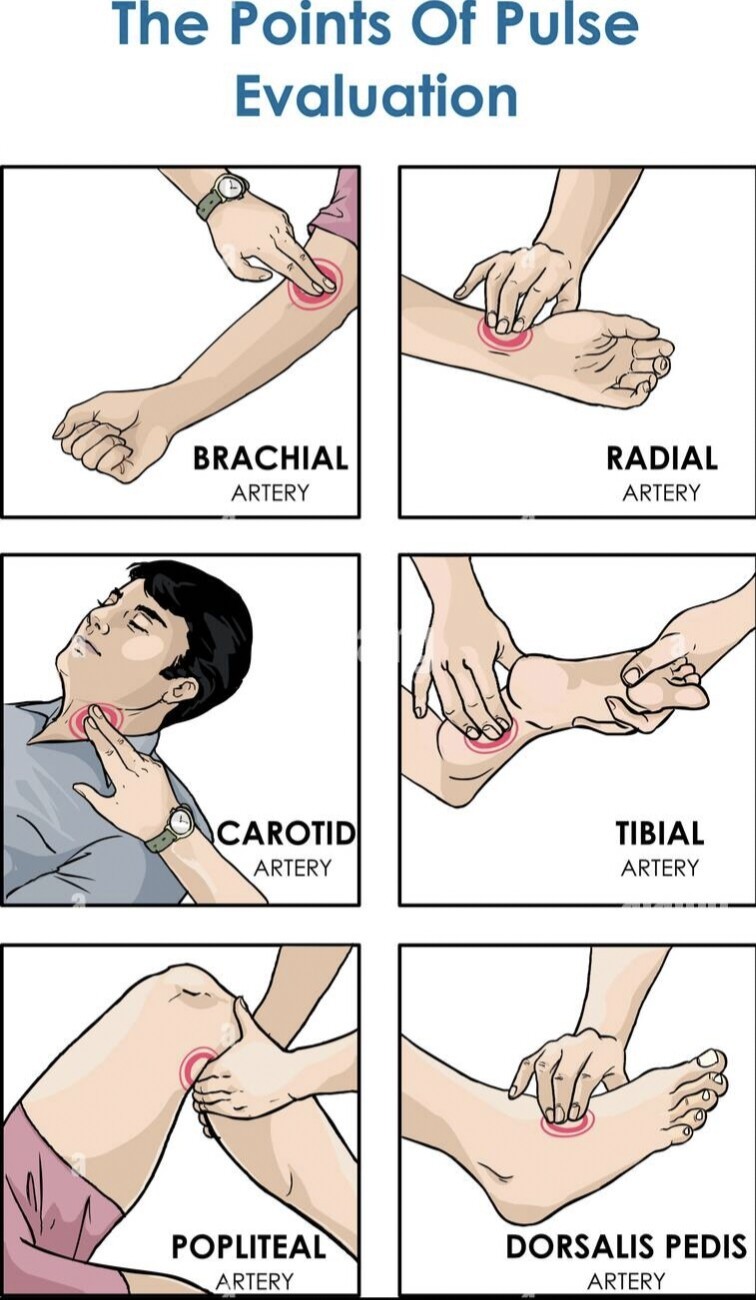
The pulse can be detected at various areas of the body:
Radial pulse - Below the wrist on the thumb side (most common method)
Popliteal pulse - Behind the knees
Brachial pulse - Inside of the elbow
Apical pulse - Over the chest, above the heart (measured using a stethoscope)
Carotid pulse - Side of the neck
Sit or rest comfortably for several minutes.
Turn one hand (non-dominant hand) palm-up.
Place the tips of your index and middle fingers below the wrist on the thumb side.
Press lightly until you feel the pulse. Do not use your thumb, as it has its own pulse, and do not compress too much.
Count the beats for 60 seconds.
Alternatively, count for 30 seconds and multiply by two (less accurate if rhythm is irregular).
Turn your neck to one side and keep your head slightly downward.
Place your index and middle fingers on the side of the neck.
Press gently. Do not press both sides at once.
Count the beats for 60 seconds.
For adults at rest:
Normal range: 60–100 beats per minute
Well-trained athletes may have resting pulse rates below 60 beats per minute.
An abnormal pulse refers to a heart rate or rhythm that differs from normal values for various ages.
Tachycardia: Resting pulse greater than 100 beats per minute in adults.
Possible causes include fever, anxiety, dehydration, anemia, infection, or heart disease.
Bradycardia: Resting pulse less than 60 beats per minute.
May be normal in well-trained athletes but can indicate heart conduction problems, medication effects, or metabolic disorders.
Abnormal Pulse Rhythm
Irregular pulse: Beats occur at uneven intervals.
Commonly associated with arrhythmias such as atrial fibrillation.
Skipped beats or extra beats: May feel like fluttering or pauses.
Often due to premature atrial or ventricular contractions.
Abnormal Pulse Volume (Strength)
Weak or thready pulse: Difficult to feel.
May indicate shock, dehydration, heart failure, or severe blood loss.
Bounding pulse: Very strong, forceful pulse.
Seen in fever, anxiety, anemia, hyperthyroidism, or high cardiac output states.
Unequal pulses: Pulse strength differs between sides of the body.
May suggest arterial obstruction or vascular disease.
Seek medical evaluation if an abnormal pulse is accompanied by:
Chest pain
Shortness of breath
Dizziness or fainting
Persistent palpitations
Sudden weakness or confusion
Assessment of the pulse is a basic but essential component of cardiovascular evaluation. Persistent or symptomatic abnormalities often require further investigation, such as electrocardiography (ECG), blood tests, or imaging studies.
Bickley, L. S. (2021). Bates’ Guide to Physical Examination and History Taking (13th ed.). Wolters Kluwer.
Jarvis, C. (2020). Physical Examination and Health Assessment (8th ed.). Elsevier.
Hall, J. E., & Guyton, A. C. (2021). Guyton and Hall Textbook of Medical Physiology (14th ed.). Elsevier.
American Heart Association (AHA). (2023). Target Heart Rates and Pulse Measurement.
The pulse is the rhythmic beat of the heart, which can be detected at various parts of the body. The pulse can be a method to assess the condition of the heart without medical instruments, using just your fingers.
Pulse is the rhythmic pulsation of the blood vessels. The pulse beats as the heart pumps blood throughout the body. It helps to measure the heart rate, rhythm, and overall heart condition.
The pulse can be used to assess:
Measurement of heart rate
Rhythm of the heart (regular or irregular)
Monitor fitness level or response to exercise
Detect potential cardiovascular issues
The pulse can be detected at various areas of the body:
Radial pulse - Below the wrist on the thumb side (most common method)
Popliteal pulse - Behind the knees
Brachial pulse - Inside of the elbow
Apical pulse - Over the chest, above the heart (measured using a stethoscope)
Carotid pulse - Side of the neck
Sit or rest comfortably for several minutes.
Turn one hand (non-dominant hand) palm-up.
Place the tips of your index and middle fingers below the wrist on the thumb side.
Press lightly until you feel the pulse. Do not use your thumb, as it has its own pulse, and do not compress too much.
Count the beats for 60 seconds.
Alternatively, count for 30 seconds and multiply by two (less accurate if rhythm is irregular).
Turn your neck to one side and keep your head slightly downward.
Place your index and middle fingers on the side of the neck.
Press gently. Do not press both sides at once.
Count the beats for 60 seconds.
For adults at rest:
Normal range: 60–100 beats per minute
Well-trained athletes may have resting pulse rates below 60 beats per minute.
An abnormal pulse refers to a heart rate or rhythm that differs from normal values for various ages.
Tachycardia: Resting pulse greater than 100 beats per minute in adults.
Possible causes include fever, anxiety, dehydration, anemia, infection, or heart disease.
Bradycardia: Resting pulse less than 60 beats per minute.
May be normal in well-trained athletes but can indicate heart conduction problems, medication effects, or metabolic disorders.
Abnormal Pulse Rhythm
Irregular pulse: Beats occur at uneven intervals.
Commonly associated with arrhythmias such as atrial fibrillation.
Skipped beats or extra beats: May feel like fluttering or pauses.
Often due to premature atrial or ventricular contractions.
Abnormal Pulse Volume (Strength)
Weak or thready pulse: Difficult to feel.
May indicate shock, dehydration, heart failure, or severe blood loss.
Bounding pulse: Very strong, forceful pulse.
Seen in fever, anxiety, anemia, hyperthyroidism, or high cardiac output states.
Unequal pulses: Pulse strength differs between sides of the body.
May suggest arterial obstruction or vascular disease.
Seek medical evaluation if an abnormal pulse is accompanied by:
Chest pain
Shortness of breath
Dizziness or fainting
Persistent palpitations
Sudden weakness or confusion
Assessment of the pulse is a basic but essential component of cardiovascular evaluation. Persistent or symptomatic abnormalities often require further investigation, such as electrocardiography (ECG), blood tests, or imaging studies.
Bickley, L. S. (2021). Bates’ Guide to Physical Examination and History Taking (13th ed.). Wolters Kluwer.
Jarvis, C. (2020). Physical Examination and Health Assessment (8th ed.). Elsevier.
Hall, J. E., & Guyton, A. C. (2021). Guyton and Hall Textbook of Medical Physiology (14th ed.). Elsevier.
American Heart Association (AHA). (2023). Target Heart Rates and Pulse Measurement.
The pulse is the rhythmic beat of the heart, which can be detected at various parts of the body. The pulse can be a method to assess the condition of the heart without medical instruments, using just your fingers.
Pulse is the rhythmic pulsation of the blood vessels. The pulse beats as the heart pumps blood throughout the body. It helps to measure the heart rate, rhythm, and overall heart condition.
The pulse can be used to assess:
Measurement of heart rate
Rhythm of the heart (regular or irregular)
Monitor fitness level or response to exercise
Detect potential cardiovascular issues
The pulse can be detected at various areas of the body:
Radial pulse - Below the wrist on the thumb side (most common method)
Popliteal pulse - Behind the knees
Brachial pulse - Inside of the elbow
Apical pulse - Over the chest, above the heart (measured using a stethoscope)
Carotid pulse - Side of the neck
Sit or rest comfortably for several minutes.
Turn one hand (non-dominant hand) palm-up.
Place the tips of your index and middle fingers below the wrist on the thumb side.
Press lightly until you feel the pulse. Do not use your thumb, as it has its own pulse, and do not compress too much.
Count the beats for 60 seconds.
Alternatively, count for 30 seconds and multiply by two (less accurate if rhythm is irregular).
Turn your neck to one side and keep your head slightly downward.
Place your index and middle fingers on the side of the neck.
Press gently. Do not press both sides at once.
Count the beats for 60 seconds.
For adults at rest:
Normal range: 60–100 beats per minute
Well-trained athletes may have resting pulse rates below 60 beats per minute.
An abnormal pulse refers to a heart rate or rhythm that differs from normal values for various ages.
Tachycardia: Resting pulse greater than 100 beats per minute in adults.
Possible causes include fever, anxiety, dehydration, anemia, infection, or heart disease.
Bradycardia: Resting pulse less than 60 beats per minute.
May be normal in well-trained athletes but can indicate heart conduction problems, medication effects, or metabolic disorders.
Abnormal Pulse Rhythm
Irregular pulse: Beats occur at uneven intervals.
Commonly associated with arrhythmias such as atrial fibrillation.
Skipped beats or extra beats: May feel like fluttering or pauses.
Often due to premature atrial or ventricular contractions.
Abnormal Pulse Volume (Strength)
Weak or thready pulse: Difficult to feel.
May indicate shock, dehydration, heart failure, or severe blood loss.
Bounding pulse: Very strong, forceful pulse.
Seen in fever, anxiety, anemia, hyperthyroidism, or high cardiac output states.
Unequal pulses: Pulse strength differs between sides of the body.
May suggest arterial obstruction or vascular disease.
Seek medical evaluation if an abnormal pulse is accompanied by:
Chest pain
Shortness of breath
Dizziness or fainting
Persistent palpitations
Sudden weakness or confusion
Assessment of the pulse is a basic but essential component of cardiovascular evaluation. Persistent or symptomatic abnormalities often require further investigation, such as electrocardiography (ECG), blood tests, or imaging studies.
Bickley, L. S. (2021). Bates’ Guide to Physical Examination and History Taking (13th ed.). Wolters Kluwer.
Jarvis, C. (2020). Physical Examination and Health Assessment (8th ed.). Elsevier.
Hall, J. E., & Guyton, A. C. (2021). Guyton and Hall Textbook of Medical Physiology (14th ed.). Elsevier.
American Heart Association (AHA). (2023). Target Heart Rates and Pulse Measurement.

This is such a helpful post! Thanks for sharing these insights. Looking forward to more content like this.

Totally agree! The examples really helped clarify the concepts.

Great breakdown. I've been looking for something like this for a while.

This comment is pending approval.
Explore Topics

0%
Explore Topics
0%