Top 5 Heart-Healthy Foods: Benefits and Nutritional Science
Discover the top 5 heart-healthy foods and how their nutrients help lower cholesterol, reduce inflammation, and protect cardiovascular health.



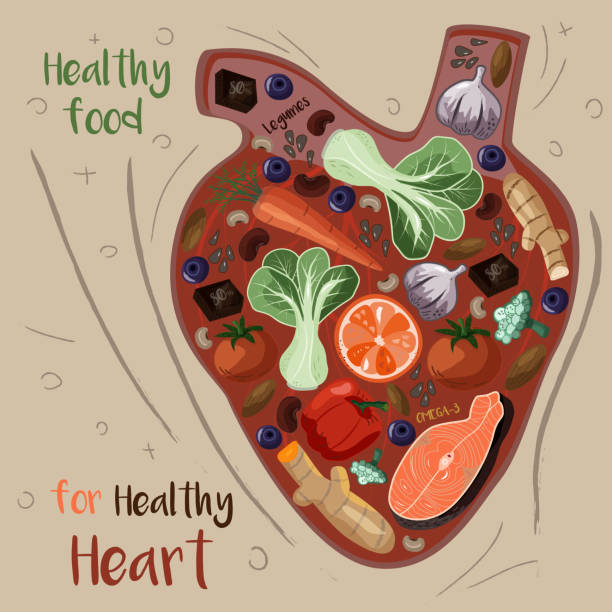
Cardiovascular disease remains the most common disease leading to death worldwide. Though it is a multifactorial disease, diet remains one of the key factors that influences the course and outcome of the disease. Current nutritional sciences emphasize the importance of food matrices—the combined effects of fats, fiber, micronutrients, and phytochemicals working together to provide a systematic health outcome. Various foods positively influence heart health. Here are 5 of the most beneficial.
Fatty fish are the most cardioprotective diet, which is the main component of omega-3 fatty acids, namely eicosapentaenoic acid (EPA) and docosahexaenoic acid (DHA). Consumption of such food led to improvement in the prognosis of patients with symptomatic heart failure or recent myocardial infarction.
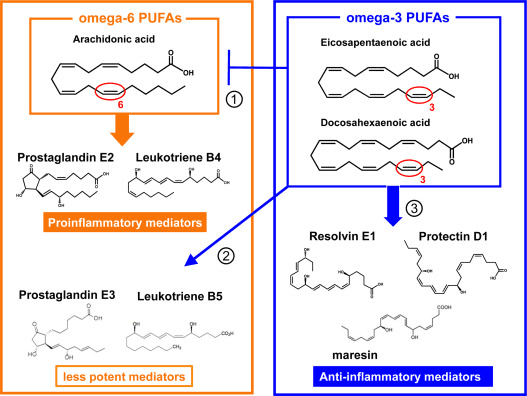
Experimental studies have shown various molecular mechanisms, like
Membrane modification
Attenuation of ion channels
Regulation of pro-inflammatory gene expression
Production of lipid mediators
Reduced platelet aggregation
Added components like vitamin D, selenium, and proteins provide additional nutritional effects.
Selenium → Antioxidant defense
Protein → Satiety and metabolic stability
Oats are the cornerstone of heart-healthy eating habits. It is a beta-glucan, which forms a viscous gel within the gut.
Decrease LDL cholesterol and increase HDL
Reduced waist circumference and visceral fat
Reduced blood pressure
Bile acid sequestration—increases intestinal viscosity, binding bile acids, and increasing their fecal excretion
Reduced cholesterol absorption—delayed gastric emptying and altered micelle formation reduce dietary cholesterol uptake
Improved glycemic response—slower carbohydrate absorption reduces postprandial glucose and insulin spikes
Soluble fiber (beta-glucan) → LDL reduction
Polyphenols (avenanthramides) → Anti-inflammatory and endothelial benefits
Complex carbohydrates → Improved glycemic control
Green leafy vegetables (GLV) are a great dietary method of regulating heart function. They contain various vitamins, nutrients, and minerals which act on various mechanisms to help improve heart function.
Lowered recirculation of bile acids results in the utilization of cholesterol to synthesize bile acids and reduced fat absorption
Dietary nitrates are converted into nitric oxide, which is essential for vasodilation and blood pressure regulation
Antioxidants are cardioprotective (lutein → non-provitamin-A carotenoid found in dark GLV)
When consumed regularly after steam cooking, would lower the risk of cardiovascular disease.
Nitrates → Improved endothelial function
Potassium → Blood pressure modulation
Vitamin K → Vascular calcification regulation
Antioxidants → Reduced oxidative damage
Though nuts are high-energy dense foods, they are inversely proportional to cardiovascular disease when consumed appropriately. A median dose of 56 g/day lowered TC, LDL, apolipoprotein B (ApoB), and triglycerides, with no effect on HDL (stronger effects seen for TC and LDL-C with nut intake over 60 g/day).
Lipid modulation—monounsaturated and polyunsaturated fatty acids replace saturated fats, reducing LDL cholesterol while maintaining or increasing HDL cholesterol
Cholesterol absorption inhibition—phytosterols compete with cholesterol for intestinal absorption
Endothelial function—arginine acts as a substrate for nitric oxide synthesis
Oxidative stress reduction—vitamin E and polyphenols limit LDL oxidation, a key step in atherogenesis
Pistachios—modest blood pressure-lowering effects in people without type 2 diabetes
Almonds—lowers diastolic blood pressure
Tree nuts or peanuts—improved markers of insulin sensitivity
Alpha-linolenic acid content of nuts, especially walnuts—increases membrane fluidity of endothelial cells, enhancement of nitric oxide synthesis, and improvement of endothelial function
Berries contain anthocyanins and polyphenols in abundance, which are good components for heart function regulation. They cause
Increase in plasma or urinary antioxidant capacity
Decrease in LDL oxidation and lipid peroxidation
Decrease in plasma glucose or total cholesterol
Increase in HDL-cholesterol
Free radical generation
Attenuating inflammatory gene expression
Downregulating foam cell formation
Upregulating eNOS expression
Anthocyanins → Vascular protection
Vitamin C → Antioxidant support
Fiber → Lipid and glucose regulation
Eating healthy foods alone is not efficient. Changing the entire dietary habits is essential.
The healthy dietary pattern as per American Heart Association is as follows:
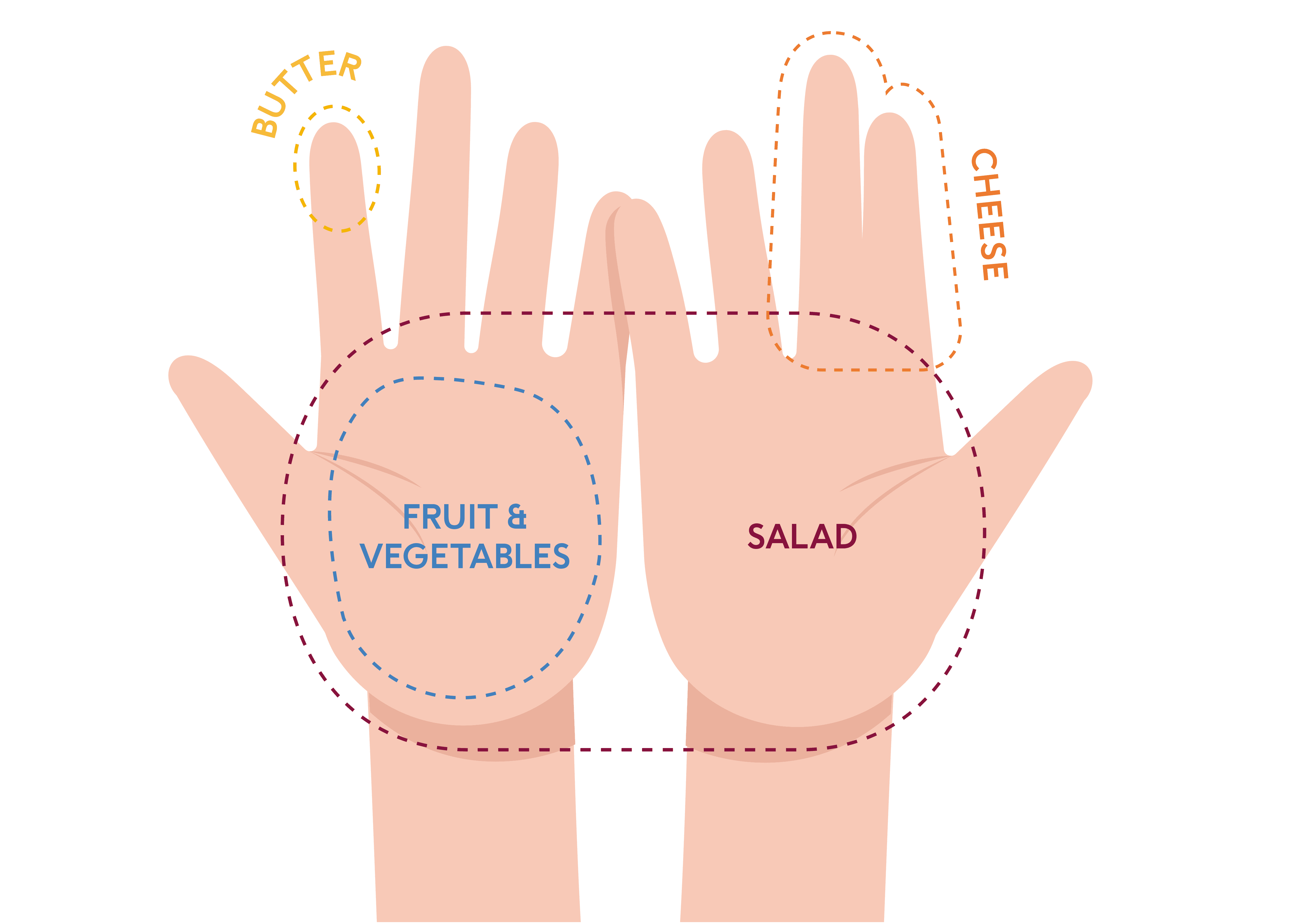
A wide variety of fruits and vegetables
Whole grains and products made up mostly of whole grains
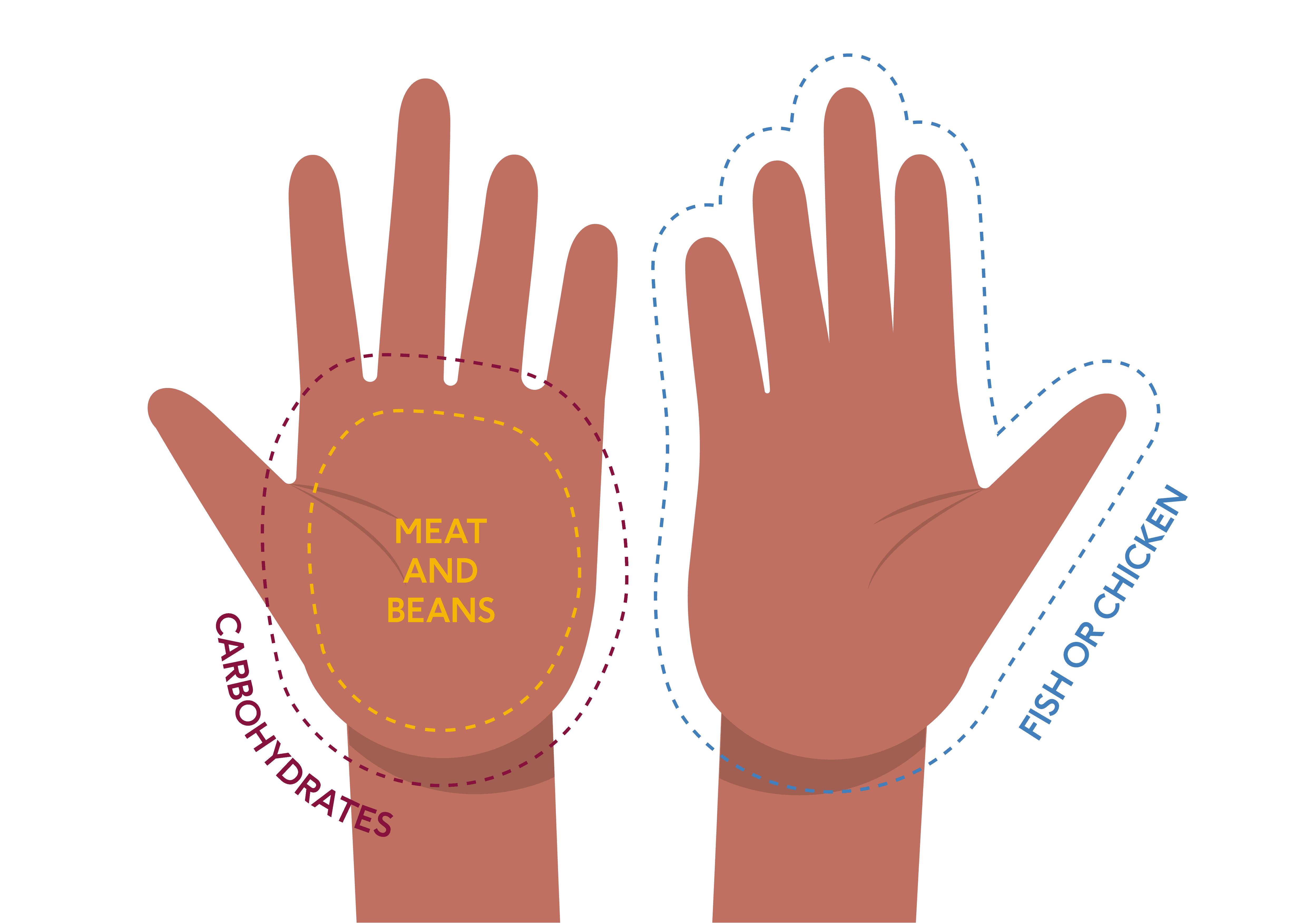
Healthy sources of protein (Mostly plants such as legumes, and nuts; fish and seafood; low-fat or fat-free dairy; and, if you eat meat and poultry, ensure it is lean and unprocessed.)
Liquid non-tropical vegetable oils such as canola, corn, olive, soybean and sunflower oils.
Minimally processed foods
Minimized intake of added sugars
Foods prepared with little or no salt
Limited or preferably no alcohol intake
Cardioprotective mechanism of omega-3 polyunsaturated fatty acids. Endo, Jin et al.
Journal of Cardiology, Volume 67, Issue 1, 22–27
Chen J, Raymond K. Beta-glucans in the treatment of diabetes and associated cardiovascular risks. Vasc Health Risk Manag. 2008;4(6):1265–72. doi: 10.2147/vhrm.s3803. PMID: 19337540; PMCID: PMC2663451.
Pollock RL. The effect of green leafy and cruciferous vegetable intake on the incidence of cardiovascular disease: A meta-analysis. JRSM Cardiovasc Dis. 2016 Aug 1;5:2048004016661435. doi: 10.1177/2048004016661435. PMID: 27540481; PMCID: PMC4973479.
Glenn AJ, Aune D, Freisling H, Mohammadifard N, Kendall CWC, Salas-Salvadó J, Jenkins DJA, Hu FB, Sievenpiper JL. Nuts and Cardiovascular Disease Outcomes: A Review of the Evidence and Future Directions. Nutrients. 2023 Feb 11;15(4):911. doi: 10.3390/nu15040911. PMID: 36839269; PMCID: PMC9964942.
Basu A, Rhone M, Lyons TJ. Berries: emerging impact on cardiovascular health. Nutr Rev. 2010 Mar;68(3):168–77. doi: 10.1111/j.1753-4887.2010.00273.x. PMID: 20384847; PMCID: PMC3068482.
American Heart Association. “The American Heart Association’s Diet and Lifestyle Recommendations.” American Heart Association, American Heart Association, 30 July 2024, The American Heart Association Diet and Lifestyle Recommendations | American Heart Association.
British Heart Foundation. “Healthy Eating.” Healthy Eating, 2019, www.bhf.org.uk/informationsupport/support/healthy-living/healthy-eating.
Cardiovascular disease remains the most common disease leading to death worldwide. Though it is a multifactorial disease, diet remains one of the key factors that influences the course and outcome of the disease. Current nutritional sciences emphasize the importance of food matrices—the combined effects of fats, fiber, micronutrients, and phytochemicals working together to provide a systematic health outcome. Various foods positively influence heart health. Here are 5 of the most beneficial.
Fatty fish are the most cardioprotective diet, which is the main component of omega-3 fatty acids, namely eicosapentaenoic acid (EPA) and docosahexaenoic acid (DHA). Consumption of such food led to improvement in the prognosis of patients with symptomatic heart failure or recent myocardial infarction.
Experimental studies have shown various molecular mechanisms, like
Membrane modification
Attenuation of ion channels
Regulation of pro-inflammatory gene expression
Production of lipid mediators
Reduced platelet aggregation
Added components like vitamin D, selenium, and proteins provide additional nutritional effects.
Selenium → Antioxidant defense
Protein → Satiety and metabolic stability
Oats are the cornerstone of heart-healthy eating habits. It is a beta-glucan, which forms a viscous gel within the gut.
Decrease LDL cholesterol and increase HDL
Reduced waist circumference and visceral fat
Reduced blood pressure
Bile acid sequestration—increases intestinal viscosity, binding bile acids, and increasing their fecal excretion
Reduced cholesterol absorption—delayed gastric emptying and altered micelle formation reduce dietary cholesterol uptake
Improved glycemic response—slower carbohydrate absorption reduces postprandial glucose and insulin spikes
Soluble fiber (beta-glucan) → LDL reduction
Polyphenols (avenanthramides) → Anti-inflammatory and endothelial benefits
Complex carbohydrates → Improved glycemic control
Green leafy vegetables (GLV) are a great dietary method of regulating heart function. They contain various vitamins, nutrients, and minerals which act on various mechanisms to help improve heart function.
Lowered recirculation of bile acids results in the utilization of cholesterol to synthesize bile acids and reduced fat absorption
Dietary nitrates are converted into nitric oxide, which is essential for vasodilation and blood pressure regulation
Antioxidants are cardioprotective (lutein → non-provitamin-A carotenoid found in dark GLV)
When consumed regularly after steam cooking, would lower the risk of cardiovascular disease.
Nitrates → Improved endothelial function
Potassium → Blood pressure modulation
Vitamin K → Vascular calcification regulation
Antioxidants → Reduced oxidative damage
Though nuts are high-energy dense foods, they are inversely proportional to cardiovascular disease when consumed appropriately. A median dose of 56 g/day lowered TC, LDL, apolipoprotein B (ApoB), and triglycerides, with no effect on HDL (stronger effects seen for TC and LDL-C with nut intake over 60 g/day).
Lipid modulation—monounsaturated and polyunsaturated fatty acids replace saturated fats, reducing LDL cholesterol while maintaining or increasing HDL cholesterol
Cholesterol absorption inhibition—phytosterols compete with cholesterol for intestinal absorption
Endothelial function—arginine acts as a substrate for nitric oxide synthesis
Oxidative stress reduction—vitamin E and polyphenols limit LDL oxidation, a key step in atherogenesis
Pistachios—modest blood pressure-lowering effects in people without type 2 diabetes
Almonds—lowers diastolic blood pressure
Tree nuts or peanuts—improved markers of insulin sensitivity
Alpha-linolenic acid content of nuts, especially walnuts—increases membrane fluidity of endothelial cells, enhancement of nitric oxide synthesis, and improvement of endothelial function
Berries contain anthocyanins and polyphenols in abundance, which are good components for heart function regulation. They cause
Increase in plasma or urinary antioxidant capacity
Decrease in LDL oxidation and lipid peroxidation
Decrease in plasma glucose or total cholesterol
Increase in HDL-cholesterol
Free radical generation
Attenuating inflammatory gene expression
Downregulating foam cell formation
Upregulating eNOS expression
Anthocyanins → Vascular protection
Vitamin C → Antioxidant support
Fiber → Lipid and glucose regulation
Eating healthy foods alone is not efficient. Changing the entire dietary habits is essential.
The healthy dietary pattern as per American Heart Association is as follows:
A wide variety of fruits and vegetables
Whole grains and products made up mostly of whole grains
Healthy sources of protein (Mostly plants such as legumes, and nuts; fish and seafood; low-fat or fat-free dairy; and, if you eat meat and poultry, ensure it is lean and unprocessed.)
Liquid non-tropical vegetable oils such as canola, corn, olive, soybean and sunflower oils.
Minimally processed foods
Minimized intake of added sugars
Foods prepared with little or no salt
Limited or preferably no alcohol intake
Cardioprotective mechanism of omega-3 polyunsaturated fatty acids. Endo, Jin et al.
Journal of Cardiology, Volume 67, Issue 1, 22–27
Chen J, Raymond K. Beta-glucans in the treatment of diabetes and associated cardiovascular risks. Vasc Health Risk Manag. 2008;4(6):1265–72. doi: 10.2147/vhrm.s3803. PMID: 19337540; PMCID: PMC2663451.
Pollock RL. The effect of green leafy and cruciferous vegetable intake on the incidence of cardiovascular disease: A meta-analysis. JRSM Cardiovasc Dis. 2016 Aug 1;5:2048004016661435. doi: 10.1177/2048004016661435. PMID: 27540481; PMCID: PMC4973479.
Glenn AJ, Aune D, Freisling H, Mohammadifard N, Kendall CWC, Salas-Salvadó J, Jenkins DJA, Hu FB, Sievenpiper JL. Nuts and Cardiovascular Disease Outcomes: A Review of the Evidence and Future Directions. Nutrients. 2023 Feb 11;15(4):911. doi: 10.3390/nu15040911. PMID: 36839269; PMCID: PMC9964942.
Basu A, Rhone M, Lyons TJ. Berries: emerging impact on cardiovascular health. Nutr Rev. 2010 Mar;68(3):168–77. doi: 10.1111/j.1753-4887.2010.00273.x. PMID: 20384847; PMCID: PMC3068482.
American Heart Association. “The American Heart Association’s Diet and Lifestyle Recommendations.” American Heart Association, American Heart Association, 30 July 2024, The American Heart Association Diet and Lifestyle Recommendations | American Heart Association.
British Heart Foundation. “Healthy Eating.” Healthy Eating, 2019, www.bhf.org.uk/informationsupport/support/healthy-living/healthy-eating.
Cardiovascular disease remains the most common disease leading to death worldwide. Though it is a multifactorial disease, diet remains one of the key factors that influences the course and outcome of the disease. Current nutritional sciences emphasize the importance of food matrices—the combined effects of fats, fiber, micronutrients, and phytochemicals working together to provide a systematic health outcome. Various foods positively influence heart health. Here are 5 of the most beneficial.
Fatty fish are the most cardioprotective diet, which is the main component of omega-3 fatty acids, namely eicosapentaenoic acid (EPA) and docosahexaenoic acid (DHA). Consumption of such food led to improvement in the prognosis of patients with symptomatic heart failure or recent myocardial infarction.
Experimental studies have shown various molecular mechanisms, like
Membrane modification
Attenuation of ion channels
Regulation of pro-inflammatory gene expression
Production of lipid mediators
Reduced platelet aggregation
Added components like vitamin D, selenium, and proteins provide additional nutritional effects.
Selenium → Antioxidant defense
Protein → Satiety and metabolic stability
Oats are the cornerstone of heart-healthy eating habits. It is a beta-glucan, which forms a viscous gel within the gut.
Decrease LDL cholesterol and increase HDL
Reduced waist circumference and visceral fat
Reduced blood pressure
Bile acid sequestration—increases intestinal viscosity, binding bile acids, and increasing their fecal excretion
Reduced cholesterol absorption—delayed gastric emptying and altered micelle formation reduce dietary cholesterol uptake
Improved glycemic response—slower carbohydrate absorption reduces postprandial glucose and insulin spikes
Soluble fiber (beta-glucan) → LDL reduction
Polyphenols (avenanthramides) → Anti-inflammatory and endothelial benefits
Complex carbohydrates → Improved glycemic control
Green leafy vegetables (GLV) are a great dietary method of regulating heart function. They contain various vitamins, nutrients, and minerals which act on various mechanisms to help improve heart function.
Lowered recirculation of bile acids results in the utilization of cholesterol to synthesize bile acids and reduced fat absorption
Dietary nitrates are converted into nitric oxide, which is essential for vasodilation and blood pressure regulation
Antioxidants are cardioprotective (lutein → non-provitamin-A carotenoid found in dark GLV)
When consumed regularly after steam cooking, would lower the risk of cardiovascular disease.
Nitrates → Improved endothelial function
Potassium → Blood pressure modulation
Vitamin K → Vascular calcification regulation
Antioxidants → Reduced oxidative damage
Though nuts are high-energy dense foods, they are inversely proportional to cardiovascular disease when consumed appropriately. A median dose of 56 g/day lowered TC, LDL, apolipoprotein B (ApoB), and triglycerides, with no effect on HDL (stronger effects seen for TC and LDL-C with nut intake over 60 g/day).
Lipid modulation—monounsaturated and polyunsaturated fatty acids replace saturated fats, reducing LDL cholesterol while maintaining or increasing HDL cholesterol
Cholesterol absorption inhibition—phytosterols compete with cholesterol for intestinal absorption
Endothelial function—arginine acts as a substrate for nitric oxide synthesis
Oxidative stress reduction—vitamin E and polyphenols limit LDL oxidation, a key step in atherogenesis
Pistachios—modest blood pressure-lowering effects in people without type 2 diabetes
Almonds—lowers diastolic blood pressure
Tree nuts or peanuts—improved markers of insulin sensitivity
Alpha-linolenic acid content of nuts, especially walnuts—increases membrane fluidity of endothelial cells, enhancement of nitric oxide synthesis, and improvement of endothelial function
Berries contain anthocyanins and polyphenols in abundance, which are good components for heart function regulation. They cause
Increase in plasma or urinary antioxidant capacity
Decrease in LDL oxidation and lipid peroxidation
Decrease in plasma glucose or total cholesterol
Increase in HDL-cholesterol
Free radical generation
Attenuating inflammatory gene expression
Downregulating foam cell formation
Upregulating eNOS expression
Anthocyanins → Vascular protection
Vitamin C → Antioxidant support
Fiber → Lipid and glucose regulation
Eating healthy foods alone is not efficient. Changing the entire dietary habits is essential.
The healthy dietary pattern as per American Heart Association is as follows:
A wide variety of fruits and vegetables
Whole grains and products made up mostly of whole grains
Healthy sources of protein (Mostly plants such as legumes, and nuts; fish and seafood; low-fat or fat-free dairy; and, if you eat meat and poultry, ensure it is lean and unprocessed.)
Liquid non-tropical vegetable oils such as canola, corn, olive, soybean and sunflower oils.
Minimally processed foods
Minimized intake of added sugars
Foods prepared with little or no salt
Limited or preferably no alcohol intake
Cardioprotective mechanism of omega-3 polyunsaturated fatty acids. Endo, Jin et al.
Journal of Cardiology, Volume 67, Issue 1, 22–27
Chen J, Raymond K. Beta-glucans in the treatment of diabetes and associated cardiovascular risks. Vasc Health Risk Manag. 2008;4(6):1265–72. doi: 10.2147/vhrm.s3803. PMID: 19337540; PMCID: PMC2663451.
Pollock RL. The effect of green leafy and cruciferous vegetable intake on the incidence of cardiovascular disease: A meta-analysis. JRSM Cardiovasc Dis. 2016 Aug 1;5:2048004016661435. doi: 10.1177/2048004016661435. PMID: 27540481; PMCID: PMC4973479.
Glenn AJ, Aune D, Freisling H, Mohammadifard N, Kendall CWC, Salas-Salvadó J, Jenkins DJA, Hu FB, Sievenpiper JL. Nuts and Cardiovascular Disease Outcomes: A Review of the Evidence and Future Directions. Nutrients. 2023 Feb 11;15(4):911. doi: 10.3390/nu15040911. PMID: 36839269; PMCID: PMC9964942.
Basu A, Rhone M, Lyons TJ. Berries: emerging impact on cardiovascular health. Nutr Rev. 2010 Mar;68(3):168–77. doi: 10.1111/j.1753-4887.2010.00273.x. PMID: 20384847; PMCID: PMC3068482.
American Heart Association. “The American Heart Association’s Diet and Lifestyle Recommendations.” American Heart Association, American Heart Association, 30 July 2024, The American Heart Association Diet and Lifestyle Recommendations | American Heart Association.
British Heart Foundation. “Healthy Eating.” Healthy Eating, 2019, www.bhf.org.uk/informationsupport/support/healthy-living/healthy-eating.

This is such a helpful post! Thanks for sharing these insights. Looking forward to more content like this.

Totally agree! The examples really helped clarify the concepts.

Great breakdown. I've been looking for something like this for a while.

This comment is pending approval.
Explore Topics

0%
Explore Topics
0%