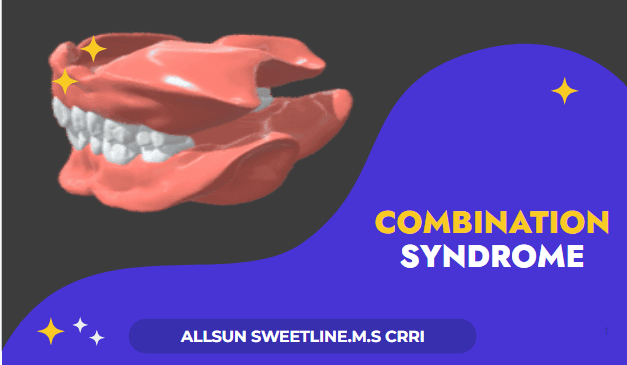


Combination Syndrome: Causes, Features & Management
Learn about combination syndrome, including causes, clinical features, pathophysiology, and management in prosthodontic practice.

This is such a helpful post! Thanks for sharing these insights. Looking forward to more content like this.

Totally agree! The examples really helped clarify the concepts.

Great breakdown. I've been looking for something like this for a while.

This comment is pending approval.