

How bioelectricity shapes our body
Are we made of electricity?
Published On:
Last Updated On:
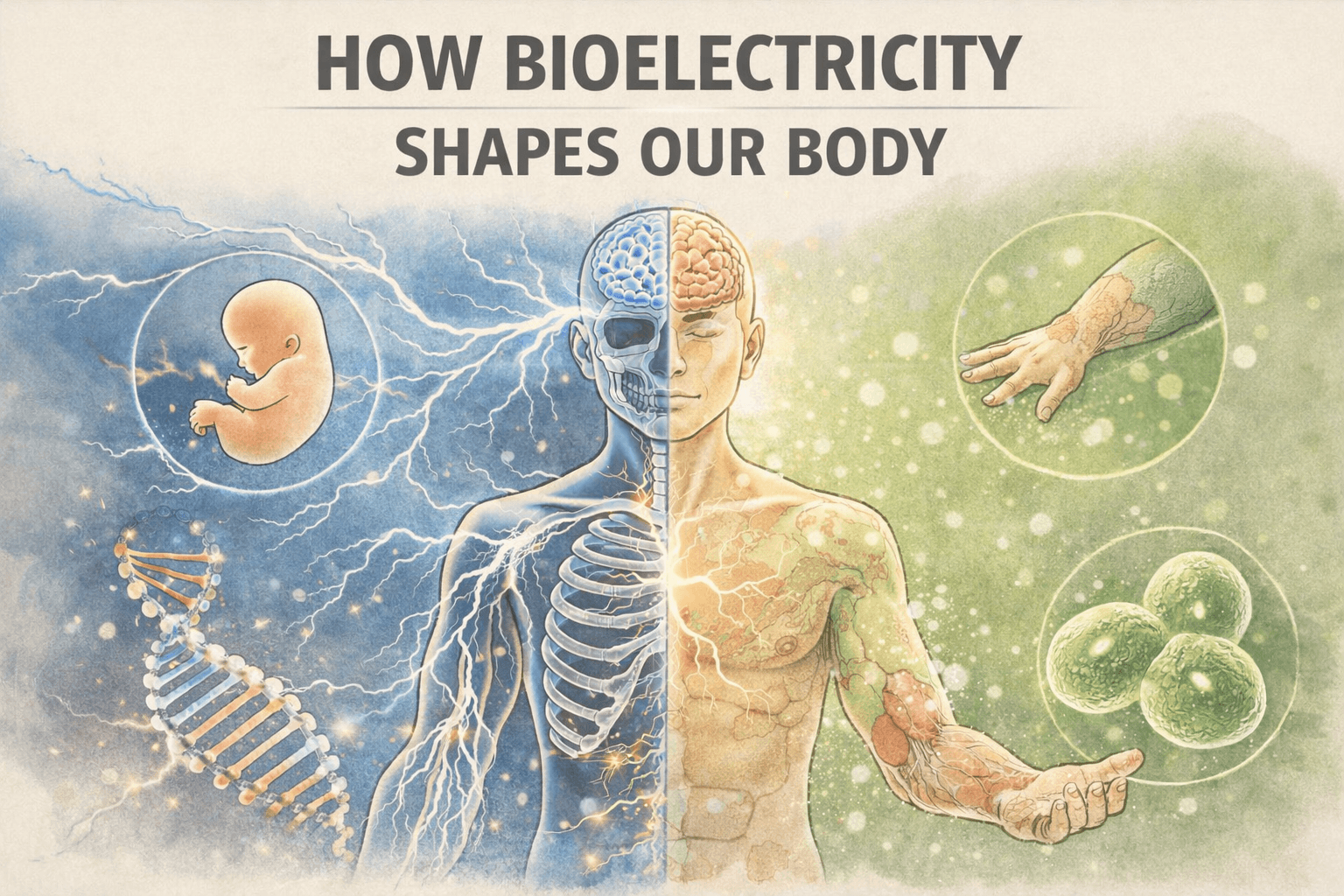
Electric signals have always been associated with the firing of neurons and the pumping of the heart. However, body biology comprises a major source of electrical energy, which is the main core of the communication between cells. This energy is called a bioelectric signal. They are involved in development, healing, and even disease.
The human body contains various voltage-gated channels, including ion channels, ion pumps, and an electrochemical gradient. They are especially mediated by sodium. Such channels are capable of firing electric currents for the active transport of electrons across the cell. Every cells are capable of such transport, especially for nutrients, and hence electric impulses may be seen all over our body's individual cells, including skin cells, muscle cells, bone cells, stem cells, and immune cells
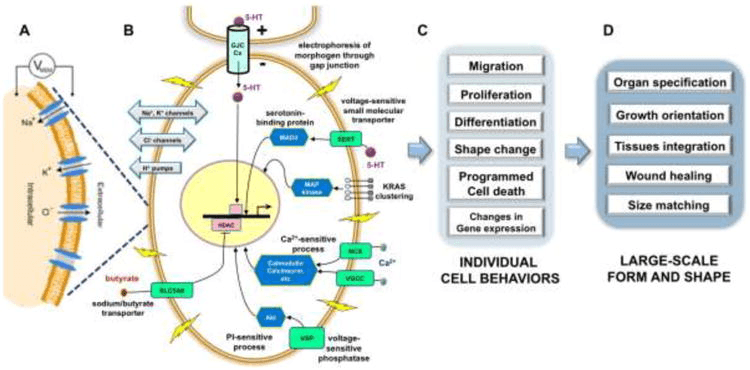
Bioelectric signals are involved in cellular level. They are involved in regulating gene expression, thus directing cell behavior such as migration, proliferation, cell death, differentiation, gene expression, and shape changes.
In reptiles like salamanders and frogs, bioelectric signals control limb regeneration. While humans have limited regeneration, bioelectric signaling still plays a role in:
Wound healing
Tissue repair
Scar formation
Cancer could be classified as a bioelectric disorder, and hence could be treated based on this concept
Cancer cells have altered membrane potentials
Normalizing electrical signals can suppress tumor growth
In some experiments, correcting voltage patterns caused cancer cells to behave normally—even with mutated genes
Cells can remember electrical patterns. Even after:
Injury
Cell replacement
Tissue regeneration
Some researchers propose that consciousness may occur due to the flow of electrical integration between tissues.
While this is still hypothetical, it suggests that:
Awareness may involve body-wide electrical coherence
Mind-body interaction could be electrical as well as chemical
Electric signals have always been associated with the firing of neurons and the pumping of the heart. However, body biology comprises a major source of electrical energy, which is the main core of the communication between cells. This energy is called a bioelectric signal. They are involved in development, healing, and even disease.
The human body contains various voltage-gated channels, including ion channels, ion pumps, and an electrochemical gradient. They are especially mediated by sodium. Such channels are capable of firing electric currents for the active transport of electrons across the cell. Every cells are capable of such transport, especially for nutrients, and hence electric impulses may be seen all over our body's individual cells, including skin cells, muscle cells, bone cells, stem cells, and immune cells
Bioelectric signals are involved in cellular level. They are involved in regulating gene expression, thus directing cell behavior such as migration, proliferation, cell death, differentiation, gene expression, and shape changes.
In reptiles like salamanders and frogs, bioelectric signals control limb regeneration. While humans have limited regeneration, bioelectric signaling still plays a role in:
Wound healing
Tissue repair
Scar formation
Cancer could be classified as a bioelectric disorder, and hence could be treated based on this concept
Cancer cells have altered membrane potentials
Normalizing electrical signals can suppress tumor growth
In some experiments, correcting voltage patterns caused cancer cells to behave normally—even with mutated genes
Cells can remember electrical patterns. Even after:
Injury
Cell replacement
Tissue regeneration
Some researchers propose that consciousness may occur due to the flow of electrical integration between tissues.
While this is still hypothetical, it suggests that:
Awareness may involve body-wide electrical coherence
Mind-body interaction could be electrical as well as chemical
Electric signals have always been associated with the firing of neurons and the pumping of the heart. However, body biology comprises a major source of electrical energy, which is the main core of the communication between cells. This energy is called a bioelectric signal. They are involved in development, healing, and even disease.
The human body contains various voltage-gated channels, including ion channels, ion pumps, and an electrochemical gradient. They are especially mediated by sodium. Such channels are capable of firing electric currents for the active transport of electrons across the cell. Every cells are capable of such transport, especially for nutrients, and hence electric impulses may be seen all over our body's individual cells, including skin cells, muscle cells, bone cells, stem cells, and immune cells
Bioelectric signals are involved in cellular level. They are involved in regulating gene expression, thus directing cell behavior such as migration, proliferation, cell death, differentiation, gene expression, and shape changes.
In reptiles like salamanders and frogs, bioelectric signals control limb regeneration. While humans have limited regeneration, bioelectric signaling still plays a role in:
Wound healing
Tissue repair
Scar formation
Cancer could be classified as a bioelectric disorder, and hence could be treated based on this concept
Cancer cells have altered membrane potentials
Normalizing electrical signals can suppress tumor growth
In some experiments, correcting voltage patterns caused cancer cells to behave normally—even with mutated genes
Cells can remember electrical patterns. Even after:
Injury
Cell replacement
Tissue regeneration
Some researchers propose that consciousness may occur due to the flow of electrical integration between tissues.
While this is still hypothetical, it suggests that:
Awareness may involve body-wide electrical coherence
Mind-body interaction could be electrical as well as chemical
Explore Topics

0%
Explore Topics
0%