Heart Anatomy and Function: Structure, Role & Health
Learn about the structure and function of the heart, its role in circulation, and how it supports overall health and cardiovascular well-being.



The heart is a vital and complex organ which helps in the circulation of blood throughout your body. It pumps blood throughout our lifetime. This pumping organ is as important to our body as the brain. Any minor damage to this structure could lead to fatal effects.
The heart is a hollow muscular organ which lies on the upper part of the left side of our body. This organ pumps blood at a regular interval by which deoxygenated (blood with low oxygen and high carbon dioxide) blood is oxygenated (blood with high oxygen and low carbon dioxide) so that our organs can receive oxygen for their function.
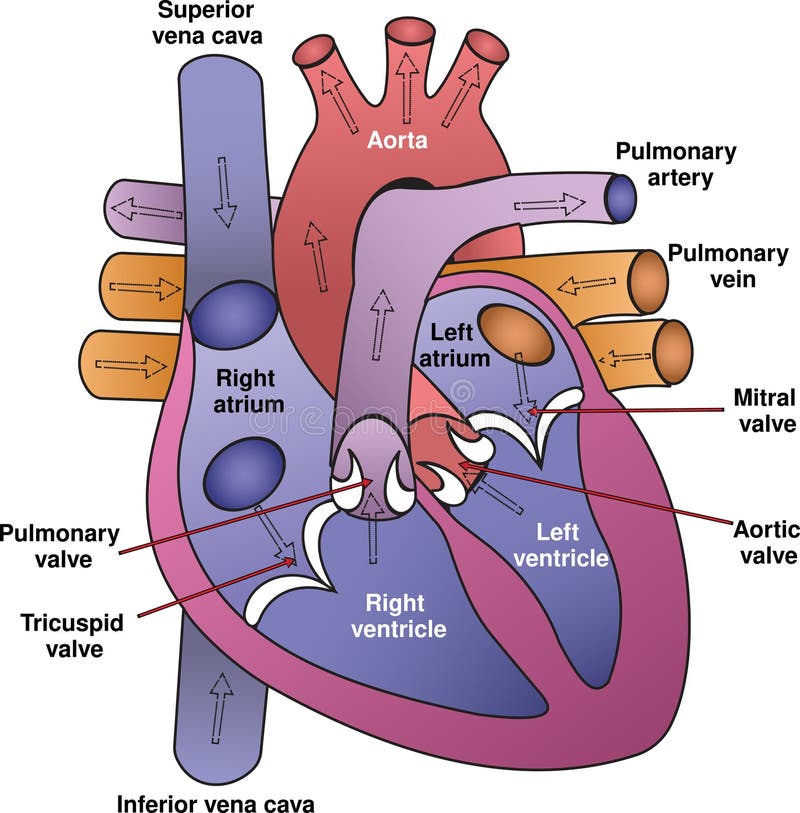
Normal anatomy of the heart
The heart is usually the size of a closed fist
It weighs about 250 - 350 gms
It beats about 60 - 100 beats per minute
It pumps roughly 5 liters of blood per minute
The heart has 4 chambers
Upper chamber is called atrium and consists of right and left atrium
Lower chamber is called ventricle and consists of right and left ventricle
The Heart consists of 4 valves (leaf-like structures that restrict the flow of blood between each chamber) which ensure flow of blood occurs in a single direction
Tricuspid valve (Between the right atrium and right ventricle)
Pulmonary valve (Between the right ventricle and pulmonary artery)
Mitral valve (Between the left atrium and left ventricle)
Aortic valve (Between the left ventricle and aorta)
The heart is made up of 3 layers called
Epicardium (Outermost protective layer)
Myocardium (Middle muscular layer)
Endocardium (Innermost layer)
The heart is surrounded by a fluid-filled layer called pericardium which contains fluid called pericardial fluid which protects the heart.
The circulation occurs in this manner:
Body (Deoxygenated blood) ➡️ Right atrium ➡️ Tricuspid valve ➡️ Right ventricle ➡️ Pulmonary valve ➡️ Pulmonary arteries ➡️ Lungs (Oxygenated) ➡️ Pulmonary veins ➡️ Left atrium ➡️ Bicuspid valve ➡️ Left ventricle ➡️ Aortic valve ➡️ Aorta ➡️ Body (Oxygenated blood)
The heart expands and contracts with each beat and creates the characteristic ‘LUBB DUBB’ sound.
Systole (LUBB sound) - Contraction of the heart
Diastole (DUBB sound) - Relaxation of the heart
This is regulated by electric signals produced by Sinoatrial (SA) node (natural pacemaker) present on the inner walls of right atrium.
The arterial pressure
Pressure is created within the blood vessels called arteries whenever the heart contracts and relaxes. This is called systolic (pressure when heart contracts) and diastolic (pressure when heart relaxes) blood pressure.
Normally it is 120 for systolic BP and 80 for diastolic BP and is represented as 120/80 mmHg.
Healthy heart function is essential for:
Brain activity
Kidney filtration
Muscle performance
Immune response
Tissue healing
Hypertension - High pressure in the blood vessels
Valve diseases - Defect in valve which either constricts blood flow or causes backflow of blood
Endocarditis, Pericarditis - Inflammation of the layers of the heart
Congenital heart disease - Defect of the heart structure at birth
Heart attack - Restriction of blood flow to heart
Heart failure - Inability of the heart to function
Common risk factors include:
High blood pressure
High cholesterol
Smoking
Diabetes
Obesity
Physical inactivity
Chronic inflammation
Heart-friendly diet
Regular exercises
Monitoring blood pressure and lipids
Reduce stress
Regulate the circadian rhythm
Limiting smoking and alcohol
Guyton AC, Hall JE.
Textbook of Medical Physiology. Elsevier.
Braunwald E, Bonow RO, Mann DL, Zipes DP.
Braunwald’s Heart Disease: A Textbook of Cardiovascular Medicine. Elsevier.
American Heart Association.
Heart Anatomy, Function, and Diseases.
National Heart, Lung, and Blood Institute.
Heart Diseases and Conditions.
The heart is a vital and complex organ which helps in the circulation of blood throughout your body. It pumps blood throughout our lifetime. This pumping organ is as important to our body as the brain. Any minor damage to this structure could lead to fatal effects.
The heart is a hollow muscular organ which lies on the upper part of the left side of our body. This organ pumps blood at a regular interval by which deoxygenated (blood with low oxygen and high carbon dioxide) blood is oxygenated (blood with high oxygen and low carbon dioxide) so that our organs can receive oxygen for their function.
Normal anatomy of the heart
The heart is usually the size of a closed fist
It weighs about 250 - 350 gms
It beats about 60 - 100 beats per minute
It pumps roughly 5 liters of blood per minute
The heart has 4 chambers
Upper chamber is called atrium and consists of right and left atrium
Lower chamber is called ventricle and consists of right and left ventricle
The Heart consists of 4 valves (leaf-like structures that restrict the flow of blood between each chamber) which ensure flow of blood occurs in a single direction
Tricuspid valve (Between the right atrium and right ventricle)
Pulmonary valve (Between the right ventricle and pulmonary artery)
Mitral valve (Between the left atrium and left ventricle)
Aortic valve (Between the left ventricle and aorta)
The heart is made up of 3 layers called
Epicardium (Outermost protective layer)
Myocardium (Middle muscular layer)
Endocardium (Innermost layer)
The heart is surrounded by a fluid-filled layer called pericardium which contains fluid called pericardial fluid which protects the heart.
The circulation occurs in this manner:
Body (Deoxygenated blood) ➡️ Right atrium ➡️ Tricuspid valve ➡️ Right ventricle ➡️ Pulmonary valve ➡️ Pulmonary arteries ➡️ Lungs (Oxygenated) ➡️ Pulmonary veins ➡️ Left atrium ➡️ Bicuspid valve ➡️ Left ventricle ➡️ Aortic valve ➡️ Aorta ➡️ Body (Oxygenated blood)
The heart expands and contracts with each beat and creates the characteristic ‘LUBB DUBB’ sound.
Systole (LUBB sound) - Contraction of the heart
Diastole (DUBB sound) - Relaxation of the heart
This is regulated by electric signals produced by Sinoatrial (SA) node (natural pacemaker) present on the inner walls of right atrium.
The arterial pressure
Pressure is created within the blood vessels called arteries whenever the heart contracts and relaxes. This is called systolic (pressure when heart contracts) and diastolic (pressure when heart relaxes) blood pressure.
Normally it is 120 for systolic BP and 80 for diastolic BP and is represented as 120/80 mmHg.
Healthy heart function is essential for:
Brain activity
Kidney filtration
Muscle performance
Immune response
Tissue healing
Hypertension - High pressure in the blood vessels
Valve diseases - Defect in valve which either constricts blood flow or causes backflow of blood
Endocarditis, Pericarditis - Inflammation of the layers of the heart
Congenital heart disease - Defect of the heart structure at birth
Heart attack - Restriction of blood flow to heart
Heart failure - Inability of the heart to function
Common risk factors include:
High blood pressure
High cholesterol
Smoking
Diabetes
Obesity
Physical inactivity
Chronic inflammation
Heart-friendly diet
Regular exercises
Monitoring blood pressure and lipids
Reduce stress
Regulate the circadian rhythm
Limiting smoking and alcohol
Guyton AC, Hall JE.
Textbook of Medical Physiology. Elsevier.
Braunwald E, Bonow RO, Mann DL, Zipes DP.
Braunwald’s Heart Disease: A Textbook of Cardiovascular Medicine. Elsevier.
American Heart Association.
Heart Anatomy, Function, and Diseases.
National Heart, Lung, and Blood Institute.
Heart Diseases and Conditions.
The heart is a vital and complex organ which helps in the circulation of blood throughout your body. It pumps blood throughout our lifetime. This pumping organ is as important to our body as the brain. Any minor damage to this structure could lead to fatal effects.
The heart is a hollow muscular organ which lies on the upper part of the left side of our body. This organ pumps blood at a regular interval by which deoxygenated (blood with low oxygen and high carbon dioxide) blood is oxygenated (blood with high oxygen and low carbon dioxide) so that our organs can receive oxygen for their function.
Normal anatomy of the heart
The heart is usually the size of a closed fist
It weighs about 250 - 350 gms
It beats about 60 - 100 beats per minute
It pumps roughly 5 liters of blood per minute
The heart has 4 chambers
Upper chamber is called atrium and consists of right and left atrium
Lower chamber is called ventricle and consists of right and left ventricle
The Heart consists of 4 valves (leaf-like structures that restrict the flow of blood between each chamber) which ensure flow of blood occurs in a single direction
Tricuspid valve (Between the right atrium and right ventricle)
Pulmonary valve (Between the right ventricle and pulmonary artery)
Mitral valve (Between the left atrium and left ventricle)
Aortic valve (Between the left ventricle and aorta)
The heart is made up of 3 layers called
Epicardium (Outermost protective layer)
Myocardium (Middle muscular layer)
Endocardium (Innermost layer)
The heart is surrounded by a fluid-filled layer called pericardium which contains fluid called pericardial fluid which protects the heart.
The circulation occurs in this manner:
Body (Deoxygenated blood) ➡️ Right atrium ➡️ Tricuspid valve ➡️ Right ventricle ➡️ Pulmonary valve ➡️ Pulmonary arteries ➡️ Lungs (Oxygenated) ➡️ Pulmonary veins ➡️ Left atrium ➡️ Bicuspid valve ➡️ Left ventricle ➡️ Aortic valve ➡️ Aorta ➡️ Body (Oxygenated blood)
The heart expands and contracts with each beat and creates the characteristic ‘LUBB DUBB’ sound.
Systole (LUBB sound) - Contraction of the heart
Diastole (DUBB sound) - Relaxation of the heart
This is regulated by electric signals produced by Sinoatrial (SA) node (natural pacemaker) present on the inner walls of right atrium.
The arterial pressure
Pressure is created within the blood vessels called arteries whenever the heart contracts and relaxes. This is called systolic (pressure when heart contracts) and diastolic (pressure when heart relaxes) blood pressure.
Normally it is 120 for systolic BP and 80 for diastolic BP and is represented as 120/80 mmHg.
Healthy heart function is essential for:
Brain activity
Kidney filtration
Muscle performance
Immune response
Tissue healing
Hypertension - High pressure in the blood vessels
Valve diseases - Defect in valve which either constricts blood flow or causes backflow of blood
Endocarditis, Pericarditis - Inflammation of the layers of the heart
Congenital heart disease - Defect of the heart structure at birth
Heart attack - Restriction of blood flow to heart
Heart failure - Inability of the heart to function
Common risk factors include:
High blood pressure
High cholesterol
Smoking
Diabetes
Obesity
Physical inactivity
Chronic inflammation
Heart-friendly diet
Regular exercises
Monitoring blood pressure and lipids
Reduce stress
Regulate the circadian rhythm
Limiting smoking and alcohol
Guyton AC, Hall JE.
Textbook of Medical Physiology. Elsevier.
Braunwald E, Bonow RO, Mann DL, Zipes DP.
Braunwald’s Heart Disease: A Textbook of Cardiovascular Medicine. Elsevier.
American Heart Association.
Heart Anatomy, Function, and Diseases.
National Heart, Lung, and Blood Institute.
Heart Diseases and Conditions.

This is such a helpful post! Thanks for sharing these insights. Looking forward to more content like this.

Totally agree! The examples really helped clarify the concepts.

Great breakdown. I've been looking for something like this for a while.

This comment is pending approval.
Explore Topics

0%
Explore Topics
0%