LDL vs HDL Cholesterol: 5 Common Questions Answered
Get clear answers to 5 common questions about LDL and HDL cholesterol, including differences, normal levels, and their impact on heart health.



We keep hearing about good cholesterol and bad cholesterol. What could be the difference between them? How do they influence our body’s health? We have lots of unanswered questions that require clarification. Let’s solve them all. Below are five frequently asked questions about LDL and HDL cholesterol, answered with clinical precision.
LDL (low-density lipoprotein) and HDL (high-density lipoprotein) are lipoprotein particles that transport cholesterol through the bloodstream.
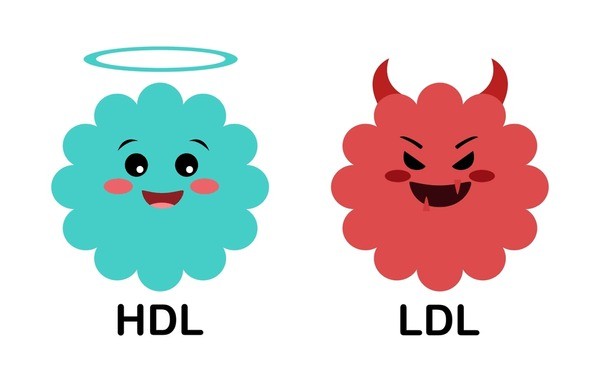
LDL - Usually referred to as the ‘Bad cholesterol’. Transports cholesterol from the liver into the bloodstream and other tissues. Excessive LDL may result in blocking of the blood vessels by fat (atherosclerosis), which may calcify to form stone-like structures called plaques.
HDL - Commonly referred to as the ‘Good cholesterol’. Responsible for the transportation of cholesterol from the peripheral tissues to the liver for elimination.
Main difference:
LDL - Heart damaging
HDL - Heart protective
Understanding the difference between them is important in understanding and managing cholesterol levels.
When the level of LDL is high, it means the amount of cholesterol being transported out of the liver and into the bloodstream is high. It contributes to the formation of increased numbers of atherosclerotic plaques. Over time, it results in:
Blocking of blood vessels
Reduced blood flow
Increased blood pressure
Increased risk of cardiovascular issues
Oxidized LDL are more harmful. Small and dense LDL particles are more damaging than heavy LDL particles.
Optimal LDL levels depend on individual risk:
<100 mg/dL for most individuals
<70 mg/dL for high-risk patients (e.g., established cardiovascular disease)
Lowering LDL cholesterol is the primary goal in lipid management efforts.
Usually, HDL is thought to be cardioprotective. Higher levels are associated with decreased cardiovascular risk.
However, recent research has shown that:
Extremely high HDL (>90–100 mg/dL) may not necessarily mean it acts to protect the heart.
HDL functionality (cholesterol efflux capacity) may be more important than absolute HDL concentration.
General reference ranges:
≥60 mg/dL: considered protective
<40 mg/dL (men) and <50 mg/dL (women): associated with increased risk
The current clinical emphasis remains primarily on reducing LDL rather than raising HDL.
Natural lifestyle changes could help improve cholesterol levels.
To lower LDL levels:
Reduce saturated and trans fats
Increase fiber content
Maintain healthy body weight
Regular aerobic exercise
Limit refined carbohydrates
To increase HDL levels:
Regular exercise
Avoid smoking and alcohol
Weight monitoring
Medications are only indicated when lifestyle modifications are not sufficient. It is especially required in conditions like:
Established atherosclerotic cardiovascular disease (ASCVD)
Diabetes mellitus
Familial hypercholesterolemia
High 10-year ASCVD risk
Common lipid-lowering therapies include:
Statins (first-line therapy; reduce LDL via HMG-CoA reductase inhibition)
Ezetimibe (reduces intestinal cholesterol absorption)
PCSK9 inhibitors (increase LDL receptor recycling)
Bempedoic acid (ATP citrate lyase inhibitor)
Statins are the standard pharmacological method of treatment.
LDL contributes to plaque formation and cardiovascular disease.
HDL cholesterol assists in cholesterol removal but is not the primary treatment target.
Lifestyle interventions are the most common method of cholesterol management.
Medication is often necessary for moderate- to high-risk individuals.
LDL reduction is the primary focus of modern lipid guidelines.
CDC – LDL and HDL cholesterol basics: LDL and HDL Cholesterol and Triglycerides (CDC)
American Heart Association – Overview of cholesterol: HDL (Good), LDL (Bad) Cholesterol (American Heart Association)
Mayo Clinic – HDL cholesterol details: HDL Cholesterol: How to Boost HDL (Mayo Clinic)
American Heart Association – Cholesterol levels: What Your Cholesterol Levels Mean (American Heart Association)
Time – Research challenge to HDL assumption: Why We Might Be Wrong About HDL Cholesterol (Time)
We keep hearing about good cholesterol and bad cholesterol. What could be the difference between them? How do they influence our body’s health? We have lots of unanswered questions that require clarification. Let’s solve them all. Below are five frequently asked questions about LDL and HDL cholesterol, answered with clinical precision.
LDL (low-density lipoprotein) and HDL (high-density lipoprotein) are lipoprotein particles that transport cholesterol through the bloodstream.
LDL - Usually referred to as the ‘Bad cholesterol’. Transports cholesterol from the liver into the bloodstream and other tissues. Excessive LDL may result in blocking of the blood vessels by fat (atherosclerosis), which may calcify to form stone-like structures called plaques.
HDL - Commonly referred to as the ‘Good cholesterol’. Responsible for the transportation of cholesterol from the peripheral tissues to the liver for elimination.
Main difference:
LDL - Heart damaging
HDL - Heart protective
Understanding the difference between them is important in understanding and managing cholesterol levels.
When the level of LDL is high, it means the amount of cholesterol being transported out of the liver and into the bloodstream is high. It contributes to the formation of increased numbers of atherosclerotic plaques. Over time, it results in:
Blocking of blood vessels
Reduced blood flow
Increased blood pressure
Increased risk of cardiovascular issues
Oxidized LDL are more harmful. Small and dense LDL particles are more damaging than heavy LDL particles.
Optimal LDL levels depend on individual risk:
<100 mg/dL for most individuals
<70 mg/dL for high-risk patients (e.g., established cardiovascular disease)
Lowering LDL cholesterol is the primary goal in lipid management efforts.
Usually, HDL is thought to be cardioprotective. Higher levels are associated with decreased cardiovascular risk.
However, recent research has shown that:
Extremely high HDL (>90–100 mg/dL) may not necessarily mean it acts to protect the heart.
HDL functionality (cholesterol efflux capacity) may be more important than absolute HDL concentration.
General reference ranges:
≥60 mg/dL: considered protective
<40 mg/dL (men) and <50 mg/dL (women): associated with increased risk
The current clinical emphasis remains primarily on reducing LDL rather than raising HDL.
Natural lifestyle changes could help improve cholesterol levels.
To lower LDL levels:
Reduce saturated and trans fats
Increase fiber content
Maintain healthy body weight
Regular aerobic exercise
Limit refined carbohydrates
To increase HDL levels:
Regular exercise
Avoid smoking and alcohol
Weight monitoring
Medications are only indicated when lifestyle modifications are not sufficient. It is especially required in conditions like:
Established atherosclerotic cardiovascular disease (ASCVD)
Diabetes mellitus
Familial hypercholesterolemia
High 10-year ASCVD risk
Common lipid-lowering therapies include:
Statins (first-line therapy; reduce LDL via HMG-CoA reductase inhibition)
Ezetimibe (reduces intestinal cholesterol absorption)
PCSK9 inhibitors (increase LDL receptor recycling)
Bempedoic acid (ATP citrate lyase inhibitor)
Statins are the standard pharmacological method of treatment.
LDL contributes to plaque formation and cardiovascular disease.
HDL cholesterol assists in cholesterol removal but is not the primary treatment target.
Lifestyle interventions are the most common method of cholesterol management.
Medication is often necessary for moderate- to high-risk individuals.
LDL reduction is the primary focus of modern lipid guidelines.
CDC – LDL and HDL cholesterol basics: LDL and HDL Cholesterol and Triglycerides (CDC)
American Heart Association – Overview of cholesterol: HDL (Good), LDL (Bad) Cholesterol (American Heart Association)
Mayo Clinic – HDL cholesterol details: HDL Cholesterol: How to Boost HDL (Mayo Clinic)
American Heart Association – Cholesterol levels: What Your Cholesterol Levels Mean (American Heart Association)
Time – Research challenge to HDL assumption: Why We Might Be Wrong About HDL Cholesterol (Time)
We keep hearing about good cholesterol and bad cholesterol. What could be the difference between them? How do they influence our body’s health? We have lots of unanswered questions that require clarification. Let’s solve them all. Below are five frequently asked questions about LDL and HDL cholesterol, answered with clinical precision.
LDL (low-density lipoprotein) and HDL (high-density lipoprotein) are lipoprotein particles that transport cholesterol through the bloodstream.
LDL - Usually referred to as the ‘Bad cholesterol’. Transports cholesterol from the liver into the bloodstream and other tissues. Excessive LDL may result in blocking of the blood vessels by fat (atherosclerosis), which may calcify to form stone-like structures called plaques.
HDL - Commonly referred to as the ‘Good cholesterol’. Responsible for the transportation of cholesterol from the peripheral tissues to the liver for elimination.
Main difference:
LDL - Heart damaging
HDL - Heart protective
Understanding the difference between them is important in understanding and managing cholesterol levels.
When the level of LDL is high, it means the amount of cholesterol being transported out of the liver and into the bloodstream is high. It contributes to the formation of increased numbers of atherosclerotic plaques. Over time, it results in:
Blocking of blood vessels
Reduced blood flow
Increased blood pressure
Increased risk of cardiovascular issues
Oxidized LDL are more harmful. Small and dense LDL particles are more damaging than heavy LDL particles.
Optimal LDL levels depend on individual risk:
<100 mg/dL for most individuals
<70 mg/dL for high-risk patients (e.g., established cardiovascular disease)
Lowering LDL cholesterol is the primary goal in lipid management efforts.
Usually, HDL is thought to be cardioprotective. Higher levels are associated with decreased cardiovascular risk.
However, recent research has shown that:
Extremely high HDL (>90–100 mg/dL) may not necessarily mean it acts to protect the heart.
HDL functionality (cholesterol efflux capacity) may be more important than absolute HDL concentration.
General reference ranges:
≥60 mg/dL: considered protective
<40 mg/dL (men) and <50 mg/dL (women): associated with increased risk
The current clinical emphasis remains primarily on reducing LDL rather than raising HDL.
Natural lifestyle changes could help improve cholesterol levels.
To lower LDL levels:
Reduce saturated and trans fats
Increase fiber content
Maintain healthy body weight
Regular aerobic exercise
Limit refined carbohydrates
To increase HDL levels:
Regular exercise
Avoid smoking and alcohol
Weight monitoring
Medications are only indicated when lifestyle modifications are not sufficient. It is especially required in conditions like:
Established atherosclerotic cardiovascular disease (ASCVD)
Diabetes mellitus
Familial hypercholesterolemia
High 10-year ASCVD risk
Common lipid-lowering therapies include:
Statins (first-line therapy; reduce LDL via HMG-CoA reductase inhibition)
Ezetimibe (reduces intestinal cholesterol absorption)
PCSK9 inhibitors (increase LDL receptor recycling)
Bempedoic acid (ATP citrate lyase inhibitor)
Statins are the standard pharmacological method of treatment.
LDL contributes to plaque formation and cardiovascular disease.
HDL cholesterol assists in cholesterol removal but is not the primary treatment target.
Lifestyle interventions are the most common method of cholesterol management.
Medication is often necessary for moderate- to high-risk individuals.
LDL reduction is the primary focus of modern lipid guidelines.
CDC – LDL and HDL cholesterol basics: LDL and HDL Cholesterol and Triglycerides (CDC)
American Heart Association – Overview of cholesterol: HDL (Good), LDL (Bad) Cholesterol (American Heart Association)
Mayo Clinic – HDL cholesterol details: HDL Cholesterol: How to Boost HDL (Mayo Clinic)
American Heart Association – Cholesterol levels: What Your Cholesterol Levels Mean (American Heart Association)
Time – Research challenge to HDL assumption: Why We Might Be Wrong About HDL Cholesterol (Time)

This is such a helpful post! Thanks for sharing these insights. Looking forward to more content like this.

Totally agree! The examples really helped clarify the concepts.

Great breakdown. I've been looking for something like this for a while.

This comment is pending approval.
Explore Topics

0%
Explore Topics
0%