Pregnancy Week by Week: Baby Growth, Symptoms & Fetal Development Explained
See how your baby develops each week of pregnancy—growth, milestones, and what to expect from week 1 to birth.



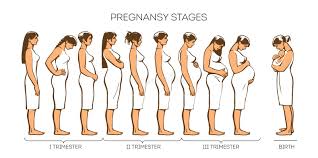
A typical pregnancy spans approximately 40 weeks, from the first day of the last menstrual period (LMP). This period is divided into three trimesters, during which the characteristic development of the fetus occurs, with distinct physiological priorities, risks, and clinical management needs1.
The first trimester (Weeks 1-12) is the time frame when organ development and tissue patterns develop. The second trimester (Weeks 13- 27) is often characterized by an increase in body size and functional maturation of the fetus’s body systems. The third trimester (Weeks 28-40) focuses on the improvement of the body weight and maturation of the organs, especially lungs and brain, towards life after birth2.
Tracking each week’s progress is necessary to assess the progress of the fetal growth for monitoring developmental milestones, identify deviations early, and schedule appropriate screening tests.3.
During the initial weeks, the body undergoes a considerable cyclic hormonal shift, especially the Human Chorionic Gonadotropin (hCG) hormone, which prepares the womb for implantation 4.
Persistent nausea and vomiting – commonly referred to as “morning sickness” are the most common symptoms (50-80%) that can impact the mother’s physical and mental well-being5. Fatigue due to the surge in the progesterone levels; tender, sore, and swollen breasts; sporadic changes in the cravings and aversion towards foods and specific odours can occur6. Symptoms may appear within days of conception and vary based on individual hormonal levels 7.
As the pregnancy progresses into the second trimester, many individuals experience a “window” of renewed energy. Nausea and vomiting usually resolve spontaneously within 16 to 20 weeks 8.
The womb physically protrudes out of the abdomen, leading to an apparently visible “baby bump”9. Fetal movements, often known as “quickening”, occur between 12th-20th weeks of pregnancy10.
Patches of darker areas on the face and stretch marks along breasts, abdomen, buttocks, and thighs may occur due to hormonal changes. This stage is comfortable for some, but expansion of the uterus may cause ‘round ligament pain’, which is a sharp, sudden ache along the lower abdomen11.
The later stages of pregnancy cause increased physical strain due to the entire fetal body weight compressing the spinal disc, causing lower back pain and pelvic pressure12. Braxton Hicks contractions are irregular uterine tightening whose duration increases over weeks and is caused by the preparation of the body for delivery13.
Peripheral swelling in the ankles is common due to stagnant water and the pressure of a growing fetus14. Sleep disturbances often result from discomfort and frequent urination during nighttime as the fetus descends into the pelvic cavity for delivery15. As the term approaches, the body undergoes cervical ripening and positional changes in preparation for labour16.
Gestational age is calculated from the first day of the last menstrual period, meaning the first two weeks of the 40-week timeline occur before conception. It is accurately measured based on the earliest measurement of Crown-rump Length (CRL) 17.
Fetal age, or conceptional age, refers to the actual age of the fetus from the moment of fertilisation, which usually occurs approximately 14 days after the LMP in a standard 28-day cycle18. Clinicians use LMP because ovulation timing varies, and fertilization is rarely observed directly, which helps to calculate the Estimated Due Date (EDD)19.
The expected date of delivery is 266 days or 38 weeks after fertilization, that is, 280 days or 40 weeks after LMP20. This is essential for the complete organ formation, neurological development, and lung maturation to accommodate breathing after birth.
In a normal 28-day menstrual cycle, the ‘fertility window’/ ‘Ovulation’ falls between days 10 and 17, contributing to the two-week difference between gestational and fetal age21. Birth between 37 and 42 weeks is considered full-term, which helps determine the complications during birth. Births occurring before the 37th week are called preterm birth and may require special monitoring due to improper fetal development, while births occurring after the 42nd week are called post-term birth, which requires constant monitoring due to placental insufficiency22.
Fetal development week by week starts with the process of ‘Neurulation’, which is the formation of the neural tube at about 4 weeks23. This later develops into the brain and the spinal cord. Adequate folic acid intake reduces neural tube defect risk24.
Heartbeat can be detected from around 6 weeks, and the normal range varies between 170bpm at 10 weeks to 130bpm at term25. Limb buds arises at around the 5th week and differentiate into arms and legs while facial structures continue to remodel throughout the first trimester23.
In the second and third trimesters, functional maturation occurs; the brain undergoes rapid development, and the lungs begin to produce "breathing" movements by inhaling the amniotic fluid to prepare for atmospheric respiration after birth23.
In the first trimester, the embryo grows from the size of a poppy seed at week 4 to approximately the size of a plum (2.5-3 inches) by week 12. At about 20 weeks, the average weight is about 1 pound at about 9-10 inches long, equivalent to the size of a banana22.
Growth spurts commonly occur after 28 weeks, with weekly weight increases of around 0.3 to 0.7 kg in late gestation26. By 40 weeks, the fetus reaches an average birth weight of approximately 7-9 pounds and is 18-20 inches long, similar to a pumpkin22.
The maternal body undergoes systematic changes week by week to accommodate to pregnancy. Hormonal adaptations occur with the progesterone levels maintaining the uterine lining for implantation, while the oestrogen levels support the blood flow between the fetus and the 27.
The uterus increases from 70 g to 1100 g, with its volume capacity increasing from 10 mL to 5 L. The cardiac output reaches the maximal levels between 20 and 24 weeks and is maintained until delivery. Metabolic changes include increased insulin resistance mediated by placental hormones, increased triglycerides and LDL levels, and increased caloric and nutritional requirements28. Emotional variations occur due to hormonal changes and the psychosocial anxiety and depression occurring due to the expectation of child birth29.
The genetic development begins at the stage of fertilization, where the sperm fuses with the ovum, forming a zygote containing 46 chromosomes. Humans carry nearly 23,000 genes on 46 chromosomes, which determine the biological sex, physical characteristics, and certain health predispositions of the individual30.
Following fertilisation, the zygote undergoes rapid mitotic division as it travels to the uterus. The cells differentiate into the three primary germ layers, namely the mesoderm and the endoderm. Simultaneously, the placenta develops to act as the bridge that provides nutrition and waste throughout the pregnancy23.
Early pregnancy confirmatory tests detect the hormone human chorionic gonadotrophin (hCG), which is released at around 6 days after fertilisation31. First-trimester anatomy screening between 11 and 14 weeks assesses the growth and development of the fetus 32 . Another screening called an anomaly scan, or mid-pregnancy scan, at around 18–22 weeks scans and screens for nearly 11 physical and chromosomal abnormalities of the fetus33.
Later screenings include the oral glucose tolerance test (weeks 24–28) for gestational diabetes and a Group B strep (GBS) swab near week 36. In the final weeks, monitoring blood pressure, fetal heart rate, and ultrasound is done for a better delivery process34.
Folic acid supplementation of about 400 micrograms every day is necessary before conception till 12 weeks of pregnancy to reduce the risk of neural tube defects. Iron supplementation is required to prevent fatigue and anemia. Calcium supports the bone and dental development of the fetus 35. Adequate hydration and moderate exercise routines to strengthen the body for delivery, along with walking or antenatal yoga, are recommended.
Alcohol, tobacco, and illicit substances should be avoided as they may impair fetal development and may lead to abnormality and even premature stillbirth36.
Understanding pregnancy week by week provides a complete, structured understanding of the physiological processes and helps monitor the fetal growth and development that take place within the uterine cavity. Regular and appropriate antenatal care and screening, along with evidence-based lifestyle measures, are necessary to support both maternal and fetal health and improve the developmental milestones achievable at appropriate periods. Utilizing diagnostic tools like anomaly scan and glucose screening helps to prevent deviations from normal development. When uncertainty arises, an immediate appointment with the healthcare professional helps to mitigate the issue appropriately with precision and clarity.
1. https://www.facebook.com/nhswebsite. 2023. “4 Weeks Pregnant Guide - Best Start in Life - NHS.” Nhs.uk. June 2023. https://www.nhs.uk/best-start-in-life/pregnancy/week-by-week-guide-to-pregnancy/1st-trimester/week-4/.
2. Mullis, Primus-E., and Paolo Tonella. 2008. “Regulation of Fetal Growth: Consequences and Impact of Being Born Small.” Best Practice & Research Clinical Endocrinology & Metabolism 22 (1): 173–90. https://doi.org/10.1016/j.beem.2007.07.010.
3. Gaillard, Romy, Eric AP Steegers, Johan C de Jongste, Albert Hofman, and Vincent WV Jaddoe. 2014. “Tracking of Fetal Growth Characteristics during Different Trimesters and the Risks of Adverse Birth Outcomes.” International Journal of Epidemiology 43 (4): 1140–53. https://doi.org/10.1093/ije/dyu036.
4. Sandra, Olivier. 2016. “Hormonal Control of Implantation.” Annales D’Endocrinologie 77 (2): 63–66. https://doi.org/10.1016/j.ando.2016.04.013.
5. National Guideline Alliance (UK). 2021. Management of Nausea and Vomiting in Pregnancy: Antenatal Care: Evidence Review R. PubMed. London: National Institute for Health and Care Excellence (NICE). https://www.ncbi.nlm.nih.gov/books/NBK573942/.
6. American Pregnancy Association. 2020. “Early Signs of Pregnancy.” American Pregnancy Association. August 19, 2020. https://americanpregnancy.org/pregnancy-symptoms/early-signs-of-pregnancy/.
7. Cleveland Clinic. 2022. “Am I Pregnant? Early Symptoms of Pregnancy & When to Test.” Cleveland Clinic. July 26, 2022. https://my.clevelandclinic.org/health/articles/9709-pregnancy-am-i-pregnant.
8. National Institute for Health and Care Excellence. 2021. “Overview | Antenatal Care | Guidance | NICE.” Www.nice.org.uk. August 19, 2021. https://www.nice.org.uk/guidance/NG201.
9. https://www.facebook.com/nhswebsite. 2023b. “14 Weeks Pregnant Guide - Best Start in Life - NHS.” Nhs.uk. June 2023. https://www.nhs.uk/best-start-in-life/pregnancy/week-by-week-guide-to-pregnancy/2nd-trimester/week-14/.
10. Cleveland Clinic. 2022a. “Quickening in Pregnancy: First Movements & What to Expect.” Cleveland Clinic. April 22, 2022. https://my.clevelandclinic.org/health/symptoms/22829-quickening-in-pregnancy.
11. UNICEF. n.d. “Your Second Trimester Guide.” Www.unicef.org. https://www.unicef.org/parenting/pregnancy-milestones/second-trimester.
12. P Katonis, A Kampouroglou, A Aggelopoulos, K Kakavelakis, S Lykoudis, A Makrigiannakis, and K Alpantaki. 2024. “Pregnancy-Related Low Back Pain.” Hippokratia 15 (3): 205. https://pmc.ncbi.nlm.nih.gov/articles/PMC3306025/.
13. Raines, Deborah A, and Danielle B Cooper. 2023. “Braxton Hicks Contractions.” Nih.gov. StatPearls Publishing. August 8, 2023. https://www.ncbi.nlm.nih.gov/books/NBK470546/.
14. https://www.facebook.com/nhswebsite. 2020. “Swollen Ankles, Feet and Fingers in Pregnancy.” Nhs.uk. December 2020. https://www.nhs.uk/pregnancy/common-symptoms/swollen-ankles-feet-and-fingers/.
15. Hashmi, Ali M, Shashi K Bhatia, Subhash K Bhatia, and Imran S Khawaja. 2016. “Insomnia during Pregnancy: Diagnosis and Rational Interventions.” Pakistan Journal of Medical Sciences 32 (4). https://doi.org/10.12669/pjms.324.10421.
16. Clinic, Cleveland. 2023. “Cervical Ripening Helps Prepare Your Cervix for Labor and Delivery. Medication, Foley Balloons or Other Procedures Help Soften and Open Your Cervix.” Cleveland Clinic. September 5, 2023. https://my.clevelandclinic.org/health/procedures/22165-cervical-ripening.
17. Benson, C B, and P M Doubilet. 1991. “Sonographic Prediction of Gestational Age: Accuracy of Second- and Third-Trimester Fetal Measurements.” American Journal of Roentgenology 157 (6): 1275–77. https://doi.org/10.2214/ajr.157.6.1950881.
18. “Fetal Development - How to Calculate Gestational Age.” 2022. American Pregnancy Association. January 26, 2022. https://americanpregnancy.org/healthy-pregnancy/while-pregnant/fetal-development/.
19. NHS. 2020. “Pregnancy Due Date Calculator.” Nhs.uk. December 1, 2020. https://www.nhs.uk/pregnancy/finding-out/due-date-calculator/.
20. Moore, Keith L, T V N Persaud, and Mark G Torchia. 2020. The Developing Human: Clinically Oriented Embryology. 11th ed. Edinburgh: Elsevier.
21. Wilcox, Allen J., David Dunson, and Donna Day Baird. 2000. “The Timing of the ‘Fertile Window’ in the Menstrual Cycle: Day Specific Estimates from a Prospective Study.” BMJ 321 (7271): 1259–62. https://doi.org/10.1136/bmj.321.7271.1259.
22. Clinic, Cleveland. 2024. “Fetal Development.” Cleveland Clinic. March 19, 2024. https://my.clevelandclinic.org/health/articles/7247-fetal-development-stages-of-growth.
23. Sadler, T. W., and Jan Langman. 2012. Langman’s Medical Embryology. 12th ed. Philadelphia: Wolters Kluwer Health/Lippincott Williams & Wilkins.
24. CDC. 2024. “About Folic Acid.” Folic Acid. May 15, 2024. https://www.cdc.gov/folic-acid/about/index.html.
25. Weerakkody, Yuranga. 2011. “Fetal Heart Rate in the First and Second Trimester | Radiology Reference Article | Radiopaedia.org.” Radiopaedia. January 12, 2011. https://radiopaedia.org/articles/fetal-heart-rate-in-the-first-and-second-trimester.
26. Institute of Medicine (US) Committee on Nutritional Status During Pregnancy and Lactation. 2019. “Total Amount and Pattern of Weight Gain: Physiologic and Maternal Determinants.” Nih.gov. National Academies Press (US). 2019. https://www.ncbi.nlm.nih.gov/books/NBK235227/.
27. Magon, Navneet, and Pratap Kumar. 2012. “Hormones in Pregnancy.” Nigerian Medical Journal 53 (4): 179. https://doi.org/10.4103/0300-1652.107549.
28. Pascual, Zoey N., and Michelle D. Langaker. 2023. “Physiology, Pregnancy.” PubMed. Treasure Island (FL): StatPearls Publishing. 2023. https://www.ncbi.nlm.nih.gov/books/NBK559304/.
29. Chauhan, Ankit, and Jyotsna Potdar. 2022. “Maternal Mental Health during Pregnancy: A Critical Review.” Cureus 14 (10). https://doi.org/10.7759/cureus.30656.
30. CDC. 2024. “Genetics Basics.” Genomics and Your Health. May 15, 2024. https://www.cdc.gov/genomics-and-health/about/index.html.
31. NHS. 2020. “Doing a Pregnancy Test.” Nhs.uk. December 2, 2020. https://www.nhs.uk/pregnancy/trying-for-a-baby/doing-a-pregnancy-test/.
32. NHS. 2023. “Your Antenatal Appointments.” Nhs.uk. 2023. https://www.nhs.uk/pregnancy/your-pregnancy-care/your-antenatal-appointments/.
33. NHS. 2020d. “Ultrasound Scans in Pregnancy.” Nhs.uk. December 3, 2020. https://www.nhs.uk/pregnancy/your-pregnancy-care/ultrasound-scans/.
34. NHS. 2020. “Antenatal Checks and Tests.” Nhs.uk. December 3, 2020. https://www.nhs.uk/pregnancy/your-pregnancy-care/antenatal-checks-and-tests/.
35. NHS. 2020. “Vitamins, Minerals and Supplements in Pregnancy.” Nhs.uk. NHS. December 2, 2020. https://www.nhs.uk/pregnancy/keeping-well/vitamins-supplements-and-nutrition/.
36. NHS. 2023. “Exercise in Pregnancy.” Nhs.uk. March 15, 2023. https://www.nhs.uk/pregnancy/keeping-well/exercise/.
37. NHS. 2023. “Drinking Alcohol While Pregnant.” NHS. 2023. https://www.nhs.uk/pregnancy/keeping-well/drinking-alcohol-while-pregnant/.
A typical pregnancy spans approximately 40 weeks, from the first day of the last menstrual period (LMP). This period is divided into three trimesters, during which the characteristic development of the fetus occurs, with distinct physiological priorities, risks, and clinical management needs1.
The first trimester (Weeks 1-12) is the time frame when organ development and tissue patterns develop. The second trimester (Weeks 13- 27) is often characterized by an increase in body size and functional maturation of the fetus’s body systems. The third trimester (Weeks 28-40) focuses on the improvement of the body weight and maturation of the organs, especially lungs and brain, towards life after birth2.
Tracking each week’s progress is necessary to assess the progress of the fetal growth for monitoring developmental milestones, identify deviations early, and schedule appropriate screening tests.3.
During the initial weeks, the body undergoes a considerable cyclic hormonal shift, especially the Human Chorionic Gonadotropin (hCG) hormone, which prepares the womb for implantation 4.
Persistent nausea and vomiting – commonly referred to as “morning sickness” are the most common symptoms (50-80%) that can impact the mother’s physical and mental well-being5. Fatigue due to the surge in the progesterone levels; tender, sore, and swollen breasts; sporadic changes in the cravings and aversion towards foods and specific odours can occur6. Symptoms may appear within days of conception and vary based on individual hormonal levels 7.
As the pregnancy progresses into the second trimester, many individuals experience a “window” of renewed energy. Nausea and vomiting usually resolve spontaneously within 16 to 20 weeks 8.
The womb physically protrudes out of the abdomen, leading to an apparently visible “baby bump”9. Fetal movements, often known as “quickening”, occur between 12th-20th weeks of pregnancy10.
Patches of darker areas on the face and stretch marks along breasts, abdomen, buttocks, and thighs may occur due to hormonal changes. This stage is comfortable for some, but expansion of the uterus may cause ‘round ligament pain’, which is a sharp, sudden ache along the lower abdomen11.
The later stages of pregnancy cause increased physical strain due to the entire fetal body weight compressing the spinal disc, causing lower back pain and pelvic pressure12. Braxton Hicks contractions are irregular uterine tightening whose duration increases over weeks and is caused by the preparation of the body for delivery13.
Peripheral swelling in the ankles is common due to stagnant water and the pressure of a growing fetus14. Sleep disturbances often result from discomfort and frequent urination during nighttime as the fetus descends into the pelvic cavity for delivery15. As the term approaches, the body undergoes cervical ripening and positional changes in preparation for labour16.
Gestational age is calculated from the first day of the last menstrual period, meaning the first two weeks of the 40-week timeline occur before conception. It is accurately measured based on the earliest measurement of Crown-rump Length (CRL) 17.
Fetal age, or conceptional age, refers to the actual age of the fetus from the moment of fertilisation, which usually occurs approximately 14 days after the LMP in a standard 28-day cycle18. Clinicians use LMP because ovulation timing varies, and fertilization is rarely observed directly, which helps to calculate the Estimated Due Date (EDD)19.
The expected date of delivery is 266 days or 38 weeks after fertilization, that is, 280 days or 40 weeks after LMP20. This is essential for the complete organ formation, neurological development, and lung maturation to accommodate breathing after birth.
In a normal 28-day menstrual cycle, the ‘fertility window’/ ‘Ovulation’ falls between days 10 and 17, contributing to the two-week difference between gestational and fetal age21. Birth between 37 and 42 weeks is considered full-term, which helps determine the complications during birth. Births occurring before the 37th week are called preterm birth and may require special monitoring due to improper fetal development, while births occurring after the 42nd week are called post-term birth, which requires constant monitoring due to placental insufficiency22.
Fetal development week by week starts with the process of ‘Neurulation’, which is the formation of the neural tube at about 4 weeks23. This later develops into the brain and the spinal cord. Adequate folic acid intake reduces neural tube defect risk24.
Heartbeat can be detected from around 6 weeks, and the normal range varies between 170bpm at 10 weeks to 130bpm at term25. Limb buds arises at around the 5th week and differentiate into arms and legs while facial structures continue to remodel throughout the first trimester23.
In the second and third trimesters, functional maturation occurs; the brain undergoes rapid development, and the lungs begin to produce "breathing" movements by inhaling the amniotic fluid to prepare for atmospheric respiration after birth23.
In the first trimester, the embryo grows from the size of a poppy seed at week 4 to approximately the size of a plum (2.5-3 inches) by week 12. At about 20 weeks, the average weight is about 1 pound at about 9-10 inches long, equivalent to the size of a banana22.
Growth spurts commonly occur after 28 weeks, with weekly weight increases of around 0.3 to 0.7 kg in late gestation26. By 40 weeks, the fetus reaches an average birth weight of approximately 7-9 pounds and is 18-20 inches long, similar to a pumpkin22.
The maternal body undergoes systematic changes week by week to accommodate to pregnancy. Hormonal adaptations occur with the progesterone levels maintaining the uterine lining for implantation, while the oestrogen levels support the blood flow between the fetus and the 27.
The uterus increases from 70 g to 1100 g, with its volume capacity increasing from 10 mL to 5 L. The cardiac output reaches the maximal levels between 20 and 24 weeks and is maintained until delivery. Metabolic changes include increased insulin resistance mediated by placental hormones, increased triglycerides and LDL levels, and increased caloric and nutritional requirements28. Emotional variations occur due to hormonal changes and the psychosocial anxiety and depression occurring due to the expectation of child birth29.
The genetic development begins at the stage of fertilization, where the sperm fuses with the ovum, forming a zygote containing 46 chromosomes. Humans carry nearly 23,000 genes on 46 chromosomes, which determine the biological sex, physical characteristics, and certain health predispositions of the individual30.
Following fertilisation, the zygote undergoes rapid mitotic division as it travels to the uterus. The cells differentiate into the three primary germ layers, namely the mesoderm and the endoderm. Simultaneously, the placenta develops to act as the bridge that provides nutrition and waste throughout the pregnancy23.
Early pregnancy confirmatory tests detect the hormone human chorionic gonadotrophin (hCG), which is released at around 6 days after fertilisation31. First-trimester anatomy screening between 11 and 14 weeks assesses the growth and development of the fetus 32 . Another screening called an anomaly scan, or mid-pregnancy scan, at around 18–22 weeks scans and screens for nearly 11 physical and chromosomal abnormalities of the fetus33.
Later screenings include the oral glucose tolerance test (weeks 24–28) for gestational diabetes and a Group B strep (GBS) swab near week 36. In the final weeks, monitoring blood pressure, fetal heart rate, and ultrasound is done for a better delivery process34.
Folic acid supplementation of about 400 micrograms every day is necessary before conception till 12 weeks of pregnancy to reduce the risk of neural tube defects. Iron supplementation is required to prevent fatigue and anemia. Calcium supports the bone and dental development of the fetus 35. Adequate hydration and moderate exercise routines to strengthen the body for delivery, along with walking or antenatal yoga, are recommended.
Alcohol, tobacco, and illicit substances should be avoided as they may impair fetal development and may lead to abnormality and even premature stillbirth36.
Understanding pregnancy week by week provides a complete, structured understanding of the physiological processes and helps monitor the fetal growth and development that take place within the uterine cavity. Regular and appropriate antenatal care and screening, along with evidence-based lifestyle measures, are necessary to support both maternal and fetal health and improve the developmental milestones achievable at appropriate periods. Utilizing diagnostic tools like anomaly scan and glucose screening helps to prevent deviations from normal development. When uncertainty arises, an immediate appointment with the healthcare professional helps to mitigate the issue appropriately with precision and clarity.
1. https://www.facebook.com/nhswebsite. 2023. “4 Weeks Pregnant Guide - Best Start in Life - NHS.” Nhs.uk. June 2023. https://www.nhs.uk/best-start-in-life/pregnancy/week-by-week-guide-to-pregnancy/1st-trimester/week-4/.
2. Mullis, Primus-E., and Paolo Tonella. 2008. “Regulation of Fetal Growth: Consequences and Impact of Being Born Small.” Best Practice & Research Clinical Endocrinology & Metabolism 22 (1): 173–90. https://doi.org/10.1016/j.beem.2007.07.010.
3. Gaillard, Romy, Eric AP Steegers, Johan C de Jongste, Albert Hofman, and Vincent WV Jaddoe. 2014. “Tracking of Fetal Growth Characteristics during Different Trimesters and the Risks of Adverse Birth Outcomes.” International Journal of Epidemiology 43 (4): 1140–53. https://doi.org/10.1093/ije/dyu036.
4. Sandra, Olivier. 2016. “Hormonal Control of Implantation.” Annales D’Endocrinologie 77 (2): 63–66. https://doi.org/10.1016/j.ando.2016.04.013.
5. National Guideline Alliance (UK). 2021. Management of Nausea and Vomiting in Pregnancy: Antenatal Care: Evidence Review R. PubMed. London: National Institute for Health and Care Excellence (NICE). https://www.ncbi.nlm.nih.gov/books/NBK573942/.
6. American Pregnancy Association. 2020. “Early Signs of Pregnancy.” American Pregnancy Association. August 19, 2020. https://americanpregnancy.org/pregnancy-symptoms/early-signs-of-pregnancy/.
7. Cleveland Clinic. 2022. “Am I Pregnant? Early Symptoms of Pregnancy & When to Test.” Cleveland Clinic. July 26, 2022. https://my.clevelandclinic.org/health/articles/9709-pregnancy-am-i-pregnant.
8. National Institute for Health and Care Excellence. 2021. “Overview | Antenatal Care | Guidance | NICE.” Www.nice.org.uk. August 19, 2021. https://www.nice.org.uk/guidance/NG201.
9. https://www.facebook.com/nhswebsite. 2023b. “14 Weeks Pregnant Guide - Best Start in Life - NHS.” Nhs.uk. June 2023. https://www.nhs.uk/best-start-in-life/pregnancy/week-by-week-guide-to-pregnancy/2nd-trimester/week-14/.
10. Cleveland Clinic. 2022a. “Quickening in Pregnancy: First Movements & What to Expect.” Cleveland Clinic. April 22, 2022. https://my.clevelandclinic.org/health/symptoms/22829-quickening-in-pregnancy.
11. UNICEF. n.d. “Your Second Trimester Guide.” Www.unicef.org. https://www.unicef.org/parenting/pregnancy-milestones/second-trimester.
12. P Katonis, A Kampouroglou, A Aggelopoulos, K Kakavelakis, S Lykoudis, A Makrigiannakis, and K Alpantaki. 2024. “Pregnancy-Related Low Back Pain.” Hippokratia 15 (3): 205. https://pmc.ncbi.nlm.nih.gov/articles/PMC3306025/.
13. Raines, Deborah A, and Danielle B Cooper. 2023. “Braxton Hicks Contractions.” Nih.gov. StatPearls Publishing. August 8, 2023. https://www.ncbi.nlm.nih.gov/books/NBK470546/.
14. https://www.facebook.com/nhswebsite. 2020. “Swollen Ankles, Feet and Fingers in Pregnancy.” Nhs.uk. December 2020. https://www.nhs.uk/pregnancy/common-symptoms/swollen-ankles-feet-and-fingers/.
15. Hashmi, Ali M, Shashi K Bhatia, Subhash K Bhatia, and Imran S Khawaja. 2016. “Insomnia during Pregnancy: Diagnosis and Rational Interventions.” Pakistan Journal of Medical Sciences 32 (4). https://doi.org/10.12669/pjms.324.10421.
16. Clinic, Cleveland. 2023. “Cervical Ripening Helps Prepare Your Cervix for Labor and Delivery. Medication, Foley Balloons or Other Procedures Help Soften and Open Your Cervix.” Cleveland Clinic. September 5, 2023. https://my.clevelandclinic.org/health/procedures/22165-cervical-ripening.
17. Benson, C B, and P M Doubilet. 1991. “Sonographic Prediction of Gestational Age: Accuracy of Second- and Third-Trimester Fetal Measurements.” American Journal of Roentgenology 157 (6): 1275–77. https://doi.org/10.2214/ajr.157.6.1950881.
18. “Fetal Development - How to Calculate Gestational Age.” 2022. American Pregnancy Association. January 26, 2022. https://americanpregnancy.org/healthy-pregnancy/while-pregnant/fetal-development/.
19. NHS. 2020. “Pregnancy Due Date Calculator.” Nhs.uk. December 1, 2020. https://www.nhs.uk/pregnancy/finding-out/due-date-calculator/.
20. Moore, Keith L, T V N Persaud, and Mark G Torchia. 2020. The Developing Human: Clinically Oriented Embryology. 11th ed. Edinburgh: Elsevier.
21. Wilcox, Allen J., David Dunson, and Donna Day Baird. 2000. “The Timing of the ‘Fertile Window’ in the Menstrual Cycle: Day Specific Estimates from a Prospective Study.” BMJ 321 (7271): 1259–62. https://doi.org/10.1136/bmj.321.7271.1259.
22. Clinic, Cleveland. 2024. “Fetal Development.” Cleveland Clinic. March 19, 2024. https://my.clevelandclinic.org/health/articles/7247-fetal-development-stages-of-growth.
23. Sadler, T. W., and Jan Langman. 2012. Langman’s Medical Embryology. 12th ed. Philadelphia: Wolters Kluwer Health/Lippincott Williams & Wilkins.
24. CDC. 2024. “About Folic Acid.” Folic Acid. May 15, 2024. https://www.cdc.gov/folic-acid/about/index.html.
25. Weerakkody, Yuranga. 2011. “Fetal Heart Rate in the First and Second Trimester | Radiology Reference Article | Radiopaedia.org.” Radiopaedia. January 12, 2011. https://radiopaedia.org/articles/fetal-heart-rate-in-the-first-and-second-trimester.
26. Institute of Medicine (US) Committee on Nutritional Status During Pregnancy and Lactation. 2019. “Total Amount and Pattern of Weight Gain: Physiologic and Maternal Determinants.” Nih.gov. National Academies Press (US). 2019. https://www.ncbi.nlm.nih.gov/books/NBK235227/.
27. Magon, Navneet, and Pratap Kumar. 2012. “Hormones in Pregnancy.” Nigerian Medical Journal 53 (4): 179. https://doi.org/10.4103/0300-1652.107549.
28. Pascual, Zoey N., and Michelle D. Langaker. 2023. “Physiology, Pregnancy.” PubMed. Treasure Island (FL): StatPearls Publishing. 2023. https://www.ncbi.nlm.nih.gov/books/NBK559304/.
29. Chauhan, Ankit, and Jyotsna Potdar. 2022. “Maternal Mental Health during Pregnancy: A Critical Review.” Cureus 14 (10). https://doi.org/10.7759/cureus.30656.
30. CDC. 2024. “Genetics Basics.” Genomics and Your Health. May 15, 2024. https://www.cdc.gov/genomics-and-health/about/index.html.
31. NHS. 2020. “Doing a Pregnancy Test.” Nhs.uk. December 2, 2020. https://www.nhs.uk/pregnancy/trying-for-a-baby/doing-a-pregnancy-test/.
32. NHS. 2023. “Your Antenatal Appointments.” Nhs.uk. 2023. https://www.nhs.uk/pregnancy/your-pregnancy-care/your-antenatal-appointments/.
33. NHS. 2020d. “Ultrasound Scans in Pregnancy.” Nhs.uk. December 3, 2020. https://www.nhs.uk/pregnancy/your-pregnancy-care/ultrasound-scans/.
34. NHS. 2020. “Antenatal Checks and Tests.” Nhs.uk. December 3, 2020. https://www.nhs.uk/pregnancy/your-pregnancy-care/antenatal-checks-and-tests/.
35. NHS. 2020. “Vitamins, Minerals and Supplements in Pregnancy.” Nhs.uk. NHS. December 2, 2020. https://www.nhs.uk/pregnancy/keeping-well/vitamins-supplements-and-nutrition/.
36. NHS. 2023. “Exercise in Pregnancy.” Nhs.uk. March 15, 2023. https://www.nhs.uk/pregnancy/keeping-well/exercise/.
37. NHS. 2023. “Drinking Alcohol While Pregnant.” NHS. 2023. https://www.nhs.uk/pregnancy/keeping-well/drinking-alcohol-while-pregnant/.
A typical pregnancy spans approximately 40 weeks, from the first day of the last menstrual period (LMP). This period is divided into three trimesters, during which the characteristic development of the fetus occurs, with distinct physiological priorities, risks, and clinical management needs1.
The first trimester (Weeks 1-12) is the time frame when organ development and tissue patterns develop. The second trimester (Weeks 13- 27) is often characterized by an increase in body size and functional maturation of the fetus’s body systems. The third trimester (Weeks 28-40) focuses on the improvement of the body weight and maturation of the organs, especially lungs and brain, towards life after birth2.
Tracking each week’s progress is necessary to assess the progress of the fetal growth for monitoring developmental milestones, identify deviations early, and schedule appropriate screening tests.3.
During the initial weeks, the body undergoes a considerable cyclic hormonal shift, especially the Human Chorionic Gonadotropin (hCG) hormone, which prepares the womb for implantation 4.
Persistent nausea and vomiting – commonly referred to as “morning sickness” are the most common symptoms (50-80%) that can impact the mother’s physical and mental well-being5. Fatigue due to the surge in the progesterone levels; tender, sore, and swollen breasts; sporadic changes in the cravings and aversion towards foods and specific odours can occur6. Symptoms may appear within days of conception and vary based on individual hormonal levels 7.
As the pregnancy progresses into the second trimester, many individuals experience a “window” of renewed energy. Nausea and vomiting usually resolve spontaneously within 16 to 20 weeks 8.
The womb physically protrudes out of the abdomen, leading to an apparently visible “baby bump”9. Fetal movements, often known as “quickening”, occur between 12th-20th weeks of pregnancy10.
Patches of darker areas on the face and stretch marks along breasts, abdomen, buttocks, and thighs may occur due to hormonal changes. This stage is comfortable for some, but expansion of the uterus may cause ‘round ligament pain’, which is a sharp, sudden ache along the lower abdomen11.
The later stages of pregnancy cause increased physical strain due to the entire fetal body weight compressing the spinal disc, causing lower back pain and pelvic pressure12. Braxton Hicks contractions are irregular uterine tightening whose duration increases over weeks and is caused by the preparation of the body for delivery13.
Peripheral swelling in the ankles is common due to stagnant water and the pressure of a growing fetus14. Sleep disturbances often result from discomfort and frequent urination during nighttime as the fetus descends into the pelvic cavity for delivery15. As the term approaches, the body undergoes cervical ripening and positional changes in preparation for labour16.
Gestational age is calculated from the first day of the last menstrual period, meaning the first two weeks of the 40-week timeline occur before conception. It is accurately measured based on the earliest measurement of Crown-rump Length (CRL) 17.
Fetal age, or conceptional age, refers to the actual age of the fetus from the moment of fertilisation, which usually occurs approximately 14 days after the LMP in a standard 28-day cycle18. Clinicians use LMP because ovulation timing varies, and fertilization is rarely observed directly, which helps to calculate the Estimated Due Date (EDD)19.
The expected date of delivery is 266 days or 38 weeks after fertilization, that is, 280 days or 40 weeks after LMP20. This is essential for the complete organ formation, neurological development, and lung maturation to accommodate breathing after birth.
In a normal 28-day menstrual cycle, the ‘fertility window’/ ‘Ovulation’ falls between days 10 and 17, contributing to the two-week difference between gestational and fetal age21. Birth between 37 and 42 weeks is considered full-term, which helps determine the complications during birth. Births occurring before the 37th week are called preterm birth and may require special monitoring due to improper fetal development, while births occurring after the 42nd week are called post-term birth, which requires constant monitoring due to placental insufficiency22.
Fetal development week by week starts with the process of ‘Neurulation’, which is the formation of the neural tube at about 4 weeks23. This later develops into the brain and the spinal cord. Adequate folic acid intake reduces neural tube defect risk24.
Heartbeat can be detected from around 6 weeks, and the normal range varies between 170bpm at 10 weeks to 130bpm at term25. Limb buds arises at around the 5th week and differentiate into arms and legs while facial structures continue to remodel throughout the first trimester23.
In the second and third trimesters, functional maturation occurs; the brain undergoes rapid development, and the lungs begin to produce "breathing" movements by inhaling the amniotic fluid to prepare for atmospheric respiration after birth23.
In the first trimester, the embryo grows from the size of a poppy seed at week 4 to approximately the size of a plum (2.5-3 inches) by week 12. At about 20 weeks, the average weight is about 1 pound at about 9-10 inches long, equivalent to the size of a banana22.
Growth spurts commonly occur after 28 weeks, with weekly weight increases of around 0.3 to 0.7 kg in late gestation26. By 40 weeks, the fetus reaches an average birth weight of approximately 7-9 pounds and is 18-20 inches long, similar to a pumpkin22.
The maternal body undergoes systematic changes week by week to accommodate to pregnancy. Hormonal adaptations occur with the progesterone levels maintaining the uterine lining for implantation, while the oestrogen levels support the blood flow between the fetus and the 27.
The uterus increases from 70 g to 1100 g, with its volume capacity increasing from 10 mL to 5 L. The cardiac output reaches the maximal levels between 20 and 24 weeks and is maintained until delivery. Metabolic changes include increased insulin resistance mediated by placental hormones, increased triglycerides and LDL levels, and increased caloric and nutritional requirements28. Emotional variations occur due to hormonal changes and the psychosocial anxiety and depression occurring due to the expectation of child birth29.
The genetic development begins at the stage of fertilization, where the sperm fuses with the ovum, forming a zygote containing 46 chromosomes. Humans carry nearly 23,000 genes on 46 chromosomes, which determine the biological sex, physical characteristics, and certain health predispositions of the individual30.
Following fertilisation, the zygote undergoes rapid mitotic division as it travels to the uterus. The cells differentiate into the three primary germ layers, namely the mesoderm and the endoderm. Simultaneously, the placenta develops to act as the bridge that provides nutrition and waste throughout the pregnancy23.
Early pregnancy confirmatory tests detect the hormone human chorionic gonadotrophin (hCG), which is released at around 6 days after fertilisation31. First-trimester anatomy screening between 11 and 14 weeks assesses the growth and development of the fetus 32 . Another screening called an anomaly scan, or mid-pregnancy scan, at around 18–22 weeks scans and screens for nearly 11 physical and chromosomal abnormalities of the fetus33.
Later screenings include the oral glucose tolerance test (weeks 24–28) for gestational diabetes and a Group B strep (GBS) swab near week 36. In the final weeks, monitoring blood pressure, fetal heart rate, and ultrasound is done for a better delivery process34.
Folic acid supplementation of about 400 micrograms every day is necessary before conception till 12 weeks of pregnancy to reduce the risk of neural tube defects. Iron supplementation is required to prevent fatigue and anemia. Calcium supports the bone and dental development of the fetus 35. Adequate hydration and moderate exercise routines to strengthen the body for delivery, along with walking or antenatal yoga, are recommended.
Alcohol, tobacco, and illicit substances should be avoided as they may impair fetal development and may lead to abnormality and even premature stillbirth36.
Understanding pregnancy week by week provides a complete, structured understanding of the physiological processes and helps monitor the fetal growth and development that take place within the uterine cavity. Regular and appropriate antenatal care and screening, along with evidence-based lifestyle measures, are necessary to support both maternal and fetal health and improve the developmental milestones achievable at appropriate periods. Utilizing diagnostic tools like anomaly scan and glucose screening helps to prevent deviations from normal development. When uncertainty arises, an immediate appointment with the healthcare professional helps to mitigate the issue appropriately with precision and clarity.
1. https://www.facebook.com/nhswebsite. 2023. “4 Weeks Pregnant Guide - Best Start in Life - NHS.” Nhs.uk. June 2023. https://www.nhs.uk/best-start-in-life/pregnancy/week-by-week-guide-to-pregnancy/1st-trimester/week-4/.
2. Mullis, Primus-E., and Paolo Tonella. 2008. “Regulation of Fetal Growth: Consequences and Impact of Being Born Small.” Best Practice & Research Clinical Endocrinology & Metabolism 22 (1): 173–90. https://doi.org/10.1016/j.beem.2007.07.010.
3. Gaillard, Romy, Eric AP Steegers, Johan C de Jongste, Albert Hofman, and Vincent WV Jaddoe. 2014. “Tracking of Fetal Growth Characteristics during Different Trimesters and the Risks of Adverse Birth Outcomes.” International Journal of Epidemiology 43 (4): 1140–53. https://doi.org/10.1093/ije/dyu036.
4. Sandra, Olivier. 2016. “Hormonal Control of Implantation.” Annales D’Endocrinologie 77 (2): 63–66. https://doi.org/10.1016/j.ando.2016.04.013.
5. National Guideline Alliance (UK). 2021. Management of Nausea and Vomiting in Pregnancy: Antenatal Care: Evidence Review R. PubMed. London: National Institute for Health and Care Excellence (NICE). https://www.ncbi.nlm.nih.gov/books/NBK573942/.
6. American Pregnancy Association. 2020. “Early Signs of Pregnancy.” American Pregnancy Association. August 19, 2020. https://americanpregnancy.org/pregnancy-symptoms/early-signs-of-pregnancy/.
7. Cleveland Clinic. 2022. “Am I Pregnant? Early Symptoms of Pregnancy & When to Test.” Cleveland Clinic. July 26, 2022. https://my.clevelandclinic.org/health/articles/9709-pregnancy-am-i-pregnant.
8. National Institute for Health and Care Excellence. 2021. “Overview | Antenatal Care | Guidance | NICE.” Www.nice.org.uk. August 19, 2021. https://www.nice.org.uk/guidance/NG201.
9. https://www.facebook.com/nhswebsite. 2023b. “14 Weeks Pregnant Guide - Best Start in Life - NHS.” Nhs.uk. June 2023. https://www.nhs.uk/best-start-in-life/pregnancy/week-by-week-guide-to-pregnancy/2nd-trimester/week-14/.
10. Cleveland Clinic. 2022a. “Quickening in Pregnancy: First Movements & What to Expect.” Cleveland Clinic. April 22, 2022. https://my.clevelandclinic.org/health/symptoms/22829-quickening-in-pregnancy.
11. UNICEF. n.d. “Your Second Trimester Guide.” Www.unicef.org. https://www.unicef.org/parenting/pregnancy-milestones/second-trimester.
12. P Katonis, A Kampouroglou, A Aggelopoulos, K Kakavelakis, S Lykoudis, A Makrigiannakis, and K Alpantaki. 2024. “Pregnancy-Related Low Back Pain.” Hippokratia 15 (3): 205. https://pmc.ncbi.nlm.nih.gov/articles/PMC3306025/.
13. Raines, Deborah A, and Danielle B Cooper. 2023. “Braxton Hicks Contractions.” Nih.gov. StatPearls Publishing. August 8, 2023. https://www.ncbi.nlm.nih.gov/books/NBK470546/.
14. https://www.facebook.com/nhswebsite. 2020. “Swollen Ankles, Feet and Fingers in Pregnancy.” Nhs.uk. December 2020. https://www.nhs.uk/pregnancy/common-symptoms/swollen-ankles-feet-and-fingers/.
15. Hashmi, Ali M, Shashi K Bhatia, Subhash K Bhatia, and Imran S Khawaja. 2016. “Insomnia during Pregnancy: Diagnosis and Rational Interventions.” Pakistan Journal of Medical Sciences 32 (4). https://doi.org/10.12669/pjms.324.10421.
16. Clinic, Cleveland. 2023. “Cervical Ripening Helps Prepare Your Cervix for Labor and Delivery. Medication, Foley Balloons or Other Procedures Help Soften and Open Your Cervix.” Cleveland Clinic. September 5, 2023. https://my.clevelandclinic.org/health/procedures/22165-cervical-ripening.
17. Benson, C B, and P M Doubilet. 1991. “Sonographic Prediction of Gestational Age: Accuracy of Second- and Third-Trimester Fetal Measurements.” American Journal of Roentgenology 157 (6): 1275–77. https://doi.org/10.2214/ajr.157.6.1950881.
18. “Fetal Development - How to Calculate Gestational Age.” 2022. American Pregnancy Association. January 26, 2022. https://americanpregnancy.org/healthy-pregnancy/while-pregnant/fetal-development/.
19. NHS. 2020. “Pregnancy Due Date Calculator.” Nhs.uk. December 1, 2020. https://www.nhs.uk/pregnancy/finding-out/due-date-calculator/.
20. Moore, Keith L, T V N Persaud, and Mark G Torchia. 2020. The Developing Human: Clinically Oriented Embryology. 11th ed. Edinburgh: Elsevier.
21. Wilcox, Allen J., David Dunson, and Donna Day Baird. 2000. “The Timing of the ‘Fertile Window’ in the Menstrual Cycle: Day Specific Estimates from a Prospective Study.” BMJ 321 (7271): 1259–62. https://doi.org/10.1136/bmj.321.7271.1259.
22. Clinic, Cleveland. 2024. “Fetal Development.” Cleveland Clinic. March 19, 2024. https://my.clevelandclinic.org/health/articles/7247-fetal-development-stages-of-growth.
23. Sadler, T. W., and Jan Langman. 2012. Langman’s Medical Embryology. 12th ed. Philadelphia: Wolters Kluwer Health/Lippincott Williams & Wilkins.
24. CDC. 2024. “About Folic Acid.” Folic Acid. May 15, 2024. https://www.cdc.gov/folic-acid/about/index.html.
25. Weerakkody, Yuranga. 2011. “Fetal Heart Rate in the First and Second Trimester | Radiology Reference Article | Radiopaedia.org.” Radiopaedia. January 12, 2011. https://radiopaedia.org/articles/fetal-heart-rate-in-the-first-and-second-trimester.
26. Institute of Medicine (US) Committee on Nutritional Status During Pregnancy and Lactation. 2019. “Total Amount and Pattern of Weight Gain: Physiologic and Maternal Determinants.” Nih.gov. National Academies Press (US). 2019. https://www.ncbi.nlm.nih.gov/books/NBK235227/.
27. Magon, Navneet, and Pratap Kumar. 2012. “Hormones in Pregnancy.” Nigerian Medical Journal 53 (4): 179. https://doi.org/10.4103/0300-1652.107549.
28. Pascual, Zoey N., and Michelle D. Langaker. 2023. “Physiology, Pregnancy.” PubMed. Treasure Island (FL): StatPearls Publishing. 2023. https://www.ncbi.nlm.nih.gov/books/NBK559304/.
29. Chauhan, Ankit, and Jyotsna Potdar. 2022. “Maternal Mental Health during Pregnancy: A Critical Review.” Cureus 14 (10). https://doi.org/10.7759/cureus.30656.
30. CDC. 2024. “Genetics Basics.” Genomics and Your Health. May 15, 2024. https://www.cdc.gov/genomics-and-health/about/index.html.
31. NHS. 2020. “Doing a Pregnancy Test.” Nhs.uk. December 2, 2020. https://www.nhs.uk/pregnancy/trying-for-a-baby/doing-a-pregnancy-test/.
32. NHS. 2023. “Your Antenatal Appointments.” Nhs.uk. 2023. https://www.nhs.uk/pregnancy/your-pregnancy-care/your-antenatal-appointments/.
33. NHS. 2020d. “Ultrasound Scans in Pregnancy.” Nhs.uk. December 3, 2020. https://www.nhs.uk/pregnancy/your-pregnancy-care/ultrasound-scans/.
34. NHS. 2020. “Antenatal Checks and Tests.” Nhs.uk. December 3, 2020. https://www.nhs.uk/pregnancy/your-pregnancy-care/antenatal-checks-and-tests/.
35. NHS. 2020. “Vitamins, Minerals and Supplements in Pregnancy.” Nhs.uk. NHS. December 2, 2020. https://www.nhs.uk/pregnancy/keeping-well/vitamins-supplements-and-nutrition/.
36. NHS. 2023. “Exercise in Pregnancy.” Nhs.uk. March 15, 2023. https://www.nhs.uk/pregnancy/keeping-well/exercise/.
37. NHS. 2023. “Drinking Alcohol While Pregnant.” NHS. 2023. https://www.nhs.uk/pregnancy/keeping-well/drinking-alcohol-while-pregnant/.

This is such a helpful post! Thanks for sharing these insights. Looking forward to more content like this.

Totally agree! The examples really helped clarify the concepts.

Great breakdown. I've been looking for something like this for a while.

This comment is pending approval.
Explore Topics

0%
Explore Topics
0%