Complete Denture Care Guide: Cleaning, Maintenance & Tips
Learn how to care for complete dentures, including cleaning methods, maintenance tips, and ways to prevent dislodgement for comfort and long-term use.



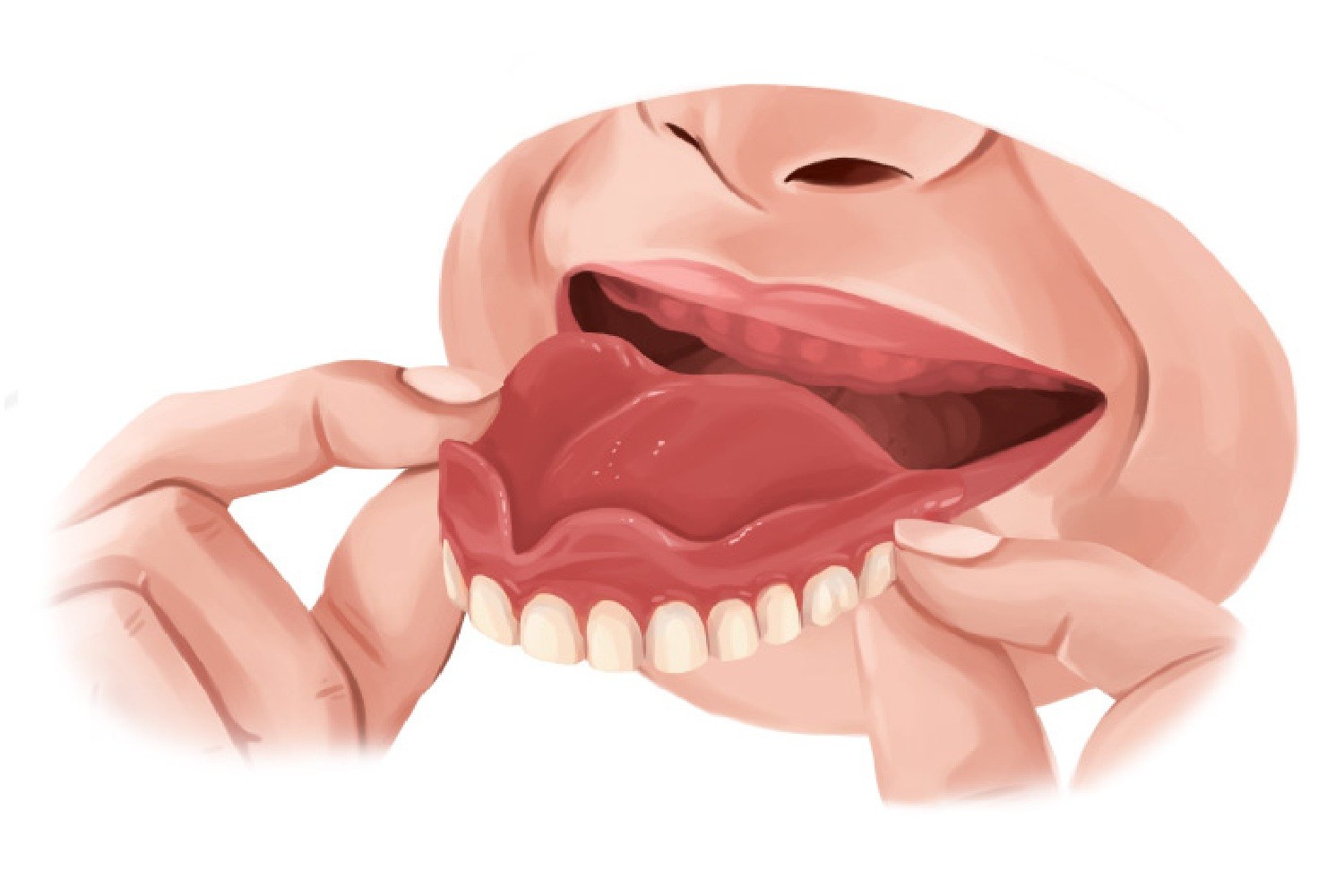
Dentures are a life-changing prosthesis that improve the quality of life by improving functionality and boosting the confidence of people without teeth. According to the WHO in 2022, almost one in four persons older than 60 had no teeth left. People who are insecure about their loss of teeth could benefit from such a valuable dental device. The importance of dentures is often overlooked, and the necessary care is required to maintain such a prized possession of many. Evidence-based denture maintenance significantly reduces oral mucosal lesions and improves patient comfort.
Complete dentures refers to the fabricated removable prosthesis to replace the natural teeth in completely edentulous (Complete loss of teeth) people. it is usually made up of a plastic like material called acrylicas a base with acrylic teeth for function which is placed within the mouth on the mound like area (Residual ridge) where tooth has been lost. A suction is formed which keeps the denture in place and prevents it's dislodgement. Nowadays they are constructed using medical grade silicone to improve comfort. Hygiene, fit, and handling are critical for long-term success.
Since dentures are usually made up of acrylic they are more prone to staining and warping. Cleaning the dentures every day atleast once a day is absolutely necessary to remove plaque, food debris, and microorganisms that can contribute to infections and malodor.
Rinse dentures after meals
Brush gently using a soft brush
Do not use abrasive material as it may cause roughening of the surface and lead to food lodgement and staining
Clean all surfaces thouroughly. Especially the area where it faces the mouth
Place dentures in a clean water or denture cleaning solutions when not in use
Even without teeth our oral cavity requires regular and proper care.
Gently brush the gums and palate using a soft brush or a sterile cloth
Make sure to clean your tongue too
Gently massage gums to improve circulation
Rinse with water.
Mouthwashes are used only when indicated.
Our mouth still has tissues which requires relief. Continuous placement of denture and covering the soft tissues may increase th erisk of denture stomatitis associated with Candida species( a fungal Inflammation due to poor oral hygiene and continuous wear of denture 24/7)
Remove dentures before going to bed
Clean the dentures and place them in a glass of water near your bed for easy access
Allow the tissues to breath
Make sure to clean th edentures befor eplacing them in your mouth th next morning
❌ Avoid placing the dentures in hot or boiling water as it may lead to distortion
The dentures are not permanenetly fixed to th oral cavity and are prone to dislodgement. This can impair speech,functionality and confidence. Follow these steps to improve stability and retention
Poor fit is the major reason for dislodgement
Bone resorption under your dentures is a continuous process and may cause dislodgement
Regular dental checkups allow for relines or adjustments when needed
❌ Never attempt to repair your dentures on your own at home
Insert dentures carefully and seat them fully
Bite down gently to help position them correctly
❌ Avoid forceful biting when placing dentures
Denture adhesives are used when dentists prescribe them for slightly loose fit as initial fit may improve with time due to anchorage by the salivary proteins as the mouth adapts to the new foreign object within
Use powder/paste at minimal amount on a clean dry denture
Place it inside mouth and hold it in place
Usually a thin film of saliva forms which improves adhesion and also prevents dislodgemnt of food particles under the denture
Clean the denture thoroughly after each use
❌ Never rely on denture adhesive for severely ill-fitted dentures
Start out by eating soft food to get used to the new dentures
Cut food into small pieces for better chewing ability
Eat food by chewing on both sides
Avoid eating sticky foods
New dentures may be difficult to get used to in earlier stage. Over time, the tongue, lips, and cheek muscles adapt to help stabilize dentures.
Practice speaking out loud
Reading out loud improved coordination
Follow any denture training exercises recommended by your dentist
Saliva plays a key role in denture retention.
Stay hydrated
Address medications causing dry mouth
Use saliva substitutes if recommended
Sore spots and irritaion : sharp points in the denture which poke out - seek professional adjustments
Bad breath: Poor oral hygeine - Maintain clean denture and good oral hygiene
Loose dentures: Dentures may become loose over time due to loss of bone structure beneath the denture. May require relining
Regular dental visits is absolutely essential for denture wearers.
Seek professional care if you experience:
Persistent soreness or ulcers
Frequent denture dislodgement
Cracks or damage to dentures
Difficulty chewing or speaking
Sleeping with dentures in
Using sharp tools or harsh chemicals
Adjusting dentures yourself
Ignoring changes in denture fit
Placing dentures in hot water
Leaving dentures out to dry
Attempting to stick broken dentures by yourself using commercial adhesives
Maintaining denture hygiene, ensuring proper fit, and following good eating and handling practices are essential to prevent discomfort and dislodgement. Regular dental checkups help ensure dentures remain stable, comfortable, and functional.
World Health Organization. “Global Oral Health Status Report: Towards Universal Health Coverage for Oral Health by 2030.” Www.who.int, 18 Nov. 2022, www.who.int/publications/i/item/9789240061484.
“Denture Care and Maintenance.” Www.ada.org, American Dental Association, www.ada.org/resources/ada-library/oral-health-topics/dentures.
Budtz-Jørgensen E. Oral mucosal lesions associated with the wearing of removable dentures. J Oral Pathol. 1981 Apr;10(2):65-80. doi: 10.1111/j.1600-0714.1981.tb01251.x. PMID: 6792333.
Dentures are a life-changing prosthesis that improve the quality of life by improving functionality and boosting the confidence of people without teeth. According to the WHO in 2022, almost one in four persons older than 60 had no teeth left. People who are insecure about their loss of teeth could benefit from such a valuable dental device. The importance of dentures is often overlooked, and the necessary care is required to maintain such a prized possession of many. Evidence-based denture maintenance significantly reduces oral mucosal lesions and improves patient comfort.
Complete dentures refers to the fabricated removable prosthesis to replace the natural teeth in completely edentulous (Complete loss of teeth) people. it is usually made up of a plastic like material called acrylicas a base with acrylic teeth for function which is placed within the mouth on the mound like area (Residual ridge) where tooth has been lost. A suction is formed which keeps the denture in place and prevents it's dislodgement. Nowadays they are constructed using medical grade silicone to improve comfort. Hygiene, fit, and handling are critical for long-term success.
Since dentures are usually made up of acrylic they are more prone to staining and warping. Cleaning the dentures every day atleast once a day is absolutely necessary to remove plaque, food debris, and microorganisms that can contribute to infections and malodor.
Rinse dentures after meals
Brush gently using a soft brush
Do not use abrasive material as it may cause roughening of the surface and lead to food lodgement and staining
Clean all surfaces thouroughly. Especially the area where it faces the mouth
Place dentures in a clean water or denture cleaning solutions when not in use
Even without teeth our oral cavity requires regular and proper care.
Gently brush the gums and palate using a soft brush or a sterile cloth
Make sure to clean your tongue too
Gently massage gums to improve circulation
Rinse with water.
Mouthwashes are used only when indicated.
Our mouth still has tissues which requires relief. Continuous placement of denture and covering the soft tissues may increase th erisk of denture stomatitis associated with Candida species( a fungal Inflammation due to poor oral hygiene and continuous wear of denture 24/7)
Remove dentures before going to bed
Clean the dentures and place them in a glass of water near your bed for easy access
Allow the tissues to breath
Make sure to clean th edentures befor eplacing them in your mouth th next morning
❌ Avoid placing the dentures in hot or boiling water as it may lead to distortion
The dentures are not permanenetly fixed to th oral cavity and are prone to dislodgement. This can impair speech,functionality and confidence. Follow these steps to improve stability and retention
Poor fit is the major reason for dislodgement
Bone resorption under your dentures is a continuous process and may cause dislodgement
Regular dental checkups allow for relines or adjustments when needed
❌ Never attempt to repair your dentures on your own at home
Insert dentures carefully and seat them fully
Bite down gently to help position them correctly
❌ Avoid forceful biting when placing dentures
Denture adhesives are used when dentists prescribe them for slightly loose fit as initial fit may improve with time due to anchorage by the salivary proteins as the mouth adapts to the new foreign object within
Use powder/paste at minimal amount on a clean dry denture
Place it inside mouth and hold it in place
Usually a thin film of saliva forms which improves adhesion and also prevents dislodgemnt of food particles under the denture
Clean the denture thoroughly after each use
❌ Never rely on denture adhesive for severely ill-fitted dentures
Start out by eating soft food to get used to the new dentures
Cut food into small pieces for better chewing ability
Eat food by chewing on both sides
Avoid eating sticky foods
New dentures may be difficult to get used to in earlier stage. Over time, the tongue, lips, and cheek muscles adapt to help stabilize dentures.
Practice speaking out loud
Reading out loud improved coordination
Follow any denture training exercises recommended by your dentist
Saliva plays a key role in denture retention.
Stay hydrated
Address medications causing dry mouth
Use saliva substitutes if recommended
Sore spots and irritaion : sharp points in the denture which poke out - seek professional adjustments
Bad breath: Poor oral hygeine - Maintain clean denture and good oral hygiene
Loose dentures: Dentures may become loose over time due to loss of bone structure beneath the denture. May require relining
Regular dental visits is absolutely essential for denture wearers.
Seek professional care if you experience:
Persistent soreness or ulcers
Frequent denture dislodgement
Cracks or damage to dentures
Difficulty chewing or speaking
Sleeping with dentures in
Using sharp tools or harsh chemicals
Adjusting dentures yourself
Ignoring changes in denture fit
Placing dentures in hot water
Leaving dentures out to dry
Attempting to stick broken dentures by yourself using commercial adhesives
Maintaining denture hygiene, ensuring proper fit, and following good eating and handling practices are essential to prevent discomfort and dislodgement. Regular dental checkups help ensure dentures remain stable, comfortable, and functional.
World Health Organization. “Global Oral Health Status Report: Towards Universal Health Coverage for Oral Health by 2030.” Www.who.int, 18 Nov. 2022, www.who.int/publications/i/item/9789240061484.
“Denture Care and Maintenance.” Www.ada.org, American Dental Association, www.ada.org/resources/ada-library/oral-health-topics/dentures.
Budtz-Jørgensen E. Oral mucosal lesions associated with the wearing of removable dentures. J Oral Pathol. 1981 Apr;10(2):65-80. doi: 10.1111/j.1600-0714.1981.tb01251.x. PMID: 6792333.
Dentures are a life-changing prosthesis that improve the quality of life by improving functionality and boosting the confidence of people without teeth. According to the WHO in 2022, almost one in four persons older than 60 had no teeth left. People who are insecure about their loss of teeth could benefit from such a valuable dental device. The importance of dentures is often overlooked, and the necessary care is required to maintain such a prized possession of many. Evidence-based denture maintenance significantly reduces oral mucosal lesions and improves patient comfort.
Complete dentures refers to the fabricated removable prosthesis to replace the natural teeth in completely edentulous (Complete loss of teeth) people. it is usually made up of a plastic like material called acrylicas a base with acrylic teeth for function which is placed within the mouth on the mound like area (Residual ridge) where tooth has been lost. A suction is formed which keeps the denture in place and prevents it's dislodgement. Nowadays they are constructed using medical grade silicone to improve comfort. Hygiene, fit, and handling are critical for long-term success.
Since dentures are usually made up of acrylic they are more prone to staining and warping. Cleaning the dentures every day atleast once a day is absolutely necessary to remove plaque, food debris, and microorganisms that can contribute to infections and malodor.
Rinse dentures after meals
Brush gently using a soft brush
Do not use abrasive material as it may cause roughening of the surface and lead to food lodgement and staining
Clean all surfaces thouroughly. Especially the area where it faces the mouth
Place dentures in a clean water or denture cleaning solutions when not in use
Even without teeth our oral cavity requires regular and proper care.
Gently brush the gums and palate using a soft brush or a sterile cloth
Make sure to clean your tongue too
Gently massage gums to improve circulation
Rinse with water.
Mouthwashes are used only when indicated.
Our mouth still has tissues which requires relief. Continuous placement of denture and covering the soft tissues may increase th erisk of denture stomatitis associated with Candida species( a fungal Inflammation due to poor oral hygiene and continuous wear of denture 24/7)
Remove dentures before going to bed
Clean the dentures and place them in a glass of water near your bed for easy access
Allow the tissues to breath
Make sure to clean th edentures befor eplacing them in your mouth th next morning
❌ Avoid placing the dentures in hot or boiling water as it may lead to distortion
The dentures are not permanenetly fixed to th oral cavity and are prone to dislodgement. This can impair speech,functionality and confidence. Follow these steps to improve stability and retention
Poor fit is the major reason for dislodgement
Bone resorption under your dentures is a continuous process and may cause dislodgement
Regular dental checkups allow for relines or adjustments when needed
❌ Never attempt to repair your dentures on your own at home
Insert dentures carefully and seat them fully
Bite down gently to help position them correctly
❌ Avoid forceful biting when placing dentures
Denture adhesives are used when dentists prescribe them for slightly loose fit as initial fit may improve with time due to anchorage by the salivary proteins as the mouth adapts to the new foreign object within
Use powder/paste at minimal amount on a clean dry denture
Place it inside mouth and hold it in place
Usually a thin film of saliva forms which improves adhesion and also prevents dislodgemnt of food particles under the denture
Clean the denture thoroughly after each use
❌ Never rely on denture adhesive for severely ill-fitted dentures
Start out by eating soft food to get used to the new dentures
Cut food into small pieces for better chewing ability
Eat food by chewing on both sides
Avoid eating sticky foods
New dentures may be difficult to get used to in earlier stage. Over time, the tongue, lips, and cheek muscles adapt to help stabilize dentures.
Practice speaking out loud
Reading out loud improved coordination
Follow any denture training exercises recommended by your dentist
Saliva plays a key role in denture retention.
Stay hydrated
Address medications causing dry mouth
Use saliva substitutes if recommended
Sore spots and irritaion : sharp points in the denture which poke out - seek professional adjustments
Bad breath: Poor oral hygeine - Maintain clean denture and good oral hygiene
Loose dentures: Dentures may become loose over time due to loss of bone structure beneath the denture. May require relining
Regular dental visits is absolutely essential for denture wearers.
Seek professional care if you experience:
Persistent soreness or ulcers
Frequent denture dislodgement
Cracks or damage to dentures
Difficulty chewing or speaking
Sleeping with dentures in
Using sharp tools or harsh chemicals
Adjusting dentures yourself
Ignoring changes in denture fit
Placing dentures in hot water
Leaving dentures out to dry
Attempting to stick broken dentures by yourself using commercial adhesives
Maintaining denture hygiene, ensuring proper fit, and following good eating and handling practices are essential to prevent discomfort and dislodgement. Regular dental checkups help ensure dentures remain stable, comfortable, and functional.
World Health Organization. “Global Oral Health Status Report: Towards Universal Health Coverage for Oral Health by 2030.” Www.who.int, 18 Nov. 2022, www.who.int/publications/i/item/9789240061484.
“Denture Care and Maintenance.” Www.ada.org, American Dental Association, www.ada.org/resources/ada-library/oral-health-topics/dentures.
Budtz-Jørgensen E. Oral mucosal lesions associated with the wearing of removable dentures. J Oral Pathol. 1981 Apr;10(2):65-80. doi: 10.1111/j.1600-0714.1981.tb01251.x. PMID: 6792333.

This is such a helpful post! Thanks for sharing these insights. Looking forward to more content like this.

Totally agree! The examples really helped clarify the concepts.

Great breakdown. I've been looking for something like this for a while.

This comment is pending approval.
Explore Topics

0%
Explore Topics
0%