Stages of Tooth Decay: Signs, Causes, and Prevention
Learn the stages of tooth decay, including early signs, causes, and prevention tips to protect your teeth and maintain good oral health.



Dental caries is the most common disease of the oral cavity, affecting almost 3.7 billion people according to the WHO. It is the most prevalent non-communicable disease on the planet. Dental caries may occur due to various reasons and steps; when treated at an earlier stage, it is preventable and reversible.
Dental caries is a multifactorial disease. The myth that dental caries occurs only due to consuming sweets is false. It occurs due to the aggregation of four main factors, namely:
Microorganisms
Tooth structure
Diet — especially fermentable, sticky, carbohydrate-rich food
Other causes:
Lack of fluoride
Dry mouth
Skipping regular dental checkups
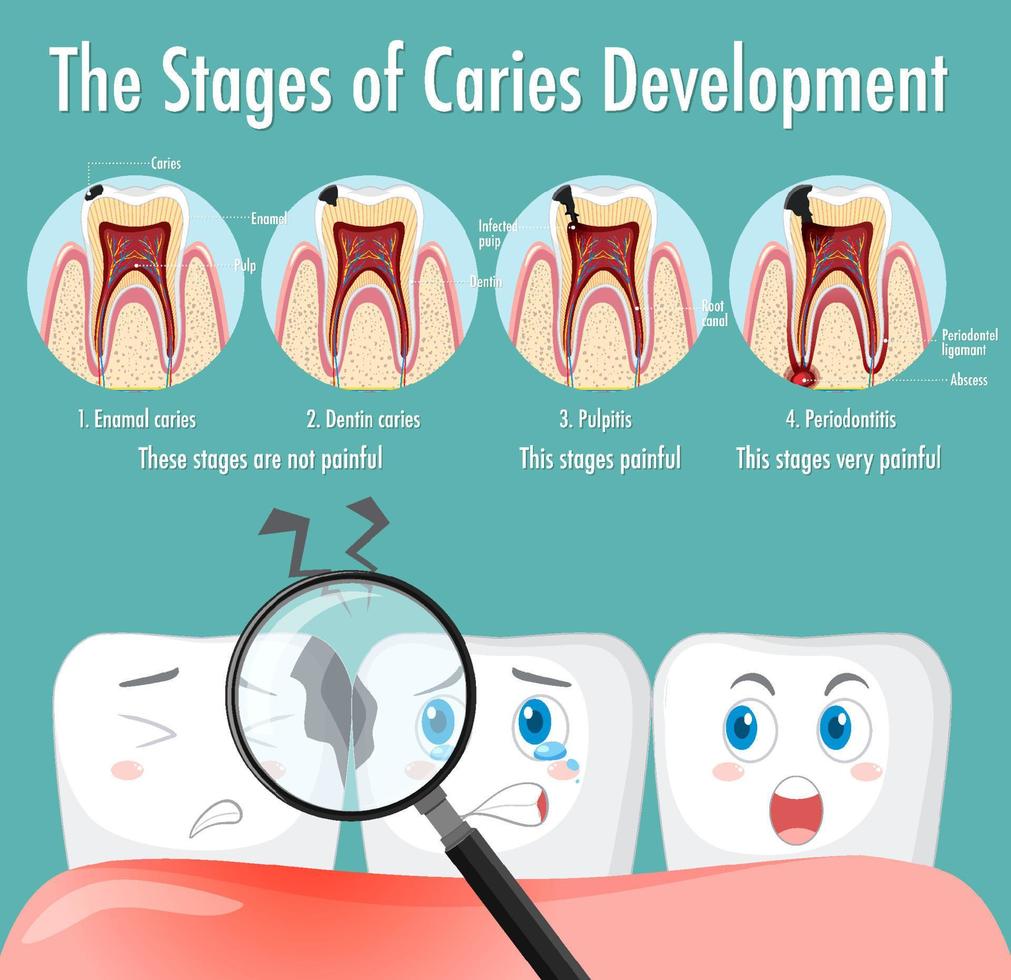
It involves the loss of inorganic mineral content from the tooth, resulting in mild loss of tooth structure.
Appearance: Appears as whitish spots on the surface of the tooth.
Symptoms: No pain or sensitivity.
Prevention and management:
Brush twice daily with fluoridated toothpaste.
Reduce sugary foods and drinks.
Drink fluoridated water.
Professional fluoride treatments.
🛑 Tooth can easily remineralize if identified at this stage.
Due to continuous loss of mineral over the tooth, a hole-like appearance begins to form and spread without intervention. The damage now becomes permanent.
Appearance: Light brown discoloration.
Symptoms: Mild sensitivity to sweets and cold.
Prevention and management:
Dental fillings.
Improve oral hygiene.
Diet counseling.
🛑 Intervention at this stage could prevent further deeper damage.
Continuous damage leads to spread of the cavity into a wider area, causing quicker progression of the bacteria into the tooth, as this structure is softer than the previous one.
Appearance: Visible brown to black cavity.
Symptoms: Sensitivity when taking hot, cold, and spicy food. Even cold winds could cause sensitivity.
Prevention and management:
Larger fillings.
Desensitizing toothpaste.
Regular dental monitoring.
🛑 Highly critical to prevent further damage at this stage, as it may lead to unavoidable consequences.
The innermost layer of the tooth contains nerves and blood supply. When damage reaches this structure, it may lead to immense pain.
Appearance: Deep black cavity.
Symptoms: Sharp pain, which may be localized or sometimes radiating toward the head, jaw, and even neck. Some teeth may remain asymptomatic.
Prevention and management:
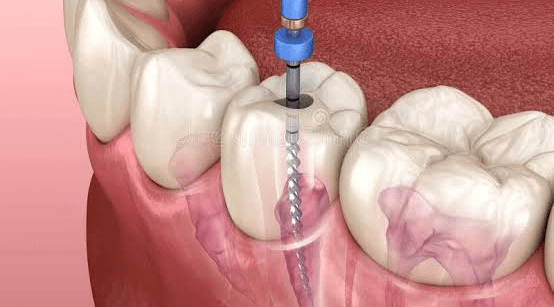
Root canal therapy (RCT).
Antibiotics.
Full-coverage crowns.
🛑 RCTs at this stage could help save the tooth.
When the infection stays within the tooth for a long period of time, it may cause the spread of infection below the tooth and into the bone.
Appearance: Swelling.
Symptoms: Severe pain, swelling, fever, pus discharge, pain on biting.
Prevention and management:
Tooth extraction.
Abscess drainage.
Tooth replacement.
Brush twice daily using the proper brushing method.
Avoid sugary foods and drinks.
Avoid frequent intake of food.
Chew sugar-free gum to increase salivation.
Regular dental checkups.
When you notice a brown or blackish discoloration of the tooth.
Constant food lodgement.
Tooth sensitivity or pain.
Bleeding gums.
Bad breath.
Dental caries progression occurs at a gradual level. Early detection and prevention could help reduce dental visits. Recognizing the stages of tooth decay and practicing good oral hygiene can help you maintain a healthy smile for life.
American Dental Association (ADA). Tooth Decay (Dental Caries).
Centers for Disease Control and Prevention (CDC). Cavities and Tooth Decay.
World Health Organization (WHO). Sugars and Dental Caries.
Fejerskov O, Nyvad B, Kidd E. Dental Caries: The Disease and Its Clinical Management. Wiley-Blackwell.
Pitts NB et al. Dental caries. Nature Reviews Disease Primers.
Dental caries is the most common disease of the oral cavity, affecting almost 3.7 billion people according to the WHO. It is the most prevalent non-communicable disease on the planet. Dental caries may occur due to various reasons and steps; when treated at an earlier stage, it is preventable and reversible.
Dental caries is a multifactorial disease. The myth that dental caries occurs only due to consuming sweets is false. It occurs due to the aggregation of four main factors, namely:
Microorganisms
Tooth structure
Diet — especially fermentable, sticky, carbohydrate-rich food
Other causes:
Lack of fluoride
Dry mouth
Skipping regular dental checkups
It involves the loss of inorganic mineral content from the tooth, resulting in mild loss of tooth structure.
Appearance: Appears as whitish spots on the surface of the tooth.
Symptoms: No pain or sensitivity.
Prevention and management:
Brush twice daily with fluoridated toothpaste.
Reduce sugary foods and drinks.
Drink fluoridated water.
Professional fluoride treatments.
🛑 Tooth can easily remineralize if identified at this stage.
Due to continuous loss of mineral over the tooth, a hole-like appearance begins to form and spread without intervention. The damage now becomes permanent.
Appearance: Light brown discoloration.
Symptoms: Mild sensitivity to sweets and cold.
Prevention and management:
Dental fillings.
Improve oral hygiene.
Diet counseling.
🛑 Intervention at this stage could prevent further deeper damage.
Continuous damage leads to spread of the cavity into a wider area, causing quicker progression of the bacteria into the tooth, as this structure is softer than the previous one.
Appearance: Visible brown to black cavity.
Symptoms: Sensitivity when taking hot, cold, and spicy food. Even cold winds could cause sensitivity.
Prevention and management:
Larger fillings.
Desensitizing toothpaste.
Regular dental monitoring.
🛑 Highly critical to prevent further damage at this stage, as it may lead to unavoidable consequences.
The innermost layer of the tooth contains nerves and blood supply. When damage reaches this structure, it may lead to immense pain.
Appearance: Deep black cavity.
Symptoms: Sharp pain, which may be localized or sometimes radiating toward the head, jaw, and even neck. Some teeth may remain asymptomatic.
Prevention and management:
Root canal therapy (RCT).
Antibiotics.
Full-coverage crowns.
🛑 RCTs at this stage could help save the tooth.
When the infection stays within the tooth for a long period of time, it may cause the spread of infection below the tooth and into the bone.
Appearance: Swelling.
Symptoms: Severe pain, swelling, fever, pus discharge, pain on biting.
Prevention and management:
Tooth extraction.
Abscess drainage.
Tooth replacement.
Brush twice daily using the proper brushing method.
Avoid sugary foods and drinks.
Avoid frequent intake of food.
Chew sugar-free gum to increase salivation.
Regular dental checkups.
When you notice a brown or blackish discoloration of the tooth.
Constant food lodgement.
Tooth sensitivity or pain.
Bleeding gums.
Bad breath.
Dental caries progression occurs at a gradual level. Early detection and prevention could help reduce dental visits. Recognizing the stages of tooth decay and practicing good oral hygiene can help you maintain a healthy smile for life.
American Dental Association (ADA). Tooth Decay (Dental Caries).
Centers for Disease Control and Prevention (CDC). Cavities and Tooth Decay.
World Health Organization (WHO). Sugars and Dental Caries.
Fejerskov O, Nyvad B, Kidd E. Dental Caries: The Disease and Its Clinical Management. Wiley-Blackwell.
Pitts NB et al. Dental caries. Nature Reviews Disease Primers.
Dental caries is the most common disease of the oral cavity, affecting almost 3.7 billion people according to the WHO. It is the most prevalent non-communicable disease on the planet. Dental caries may occur due to various reasons and steps; when treated at an earlier stage, it is preventable and reversible.
Dental caries is a multifactorial disease. The myth that dental caries occurs only due to consuming sweets is false. It occurs due to the aggregation of four main factors, namely:
Microorganisms
Tooth structure
Diet — especially fermentable, sticky, carbohydrate-rich food
Other causes:
Lack of fluoride
Dry mouth
Skipping regular dental checkups
It involves the loss of inorganic mineral content from the tooth, resulting in mild loss of tooth structure.
Appearance: Appears as whitish spots on the surface of the tooth.
Symptoms: No pain or sensitivity.
Prevention and management:
Brush twice daily with fluoridated toothpaste.
Reduce sugary foods and drinks.
Drink fluoridated water.
Professional fluoride treatments.
🛑 Tooth can easily remineralize if identified at this stage.
Due to continuous loss of mineral over the tooth, a hole-like appearance begins to form and spread without intervention. The damage now becomes permanent.
Appearance: Light brown discoloration.
Symptoms: Mild sensitivity to sweets and cold.
Prevention and management:
Dental fillings.
Improve oral hygiene.
Diet counseling.
🛑 Intervention at this stage could prevent further deeper damage.
Continuous damage leads to spread of the cavity into a wider area, causing quicker progression of the bacteria into the tooth, as this structure is softer than the previous one.
Appearance: Visible brown to black cavity.
Symptoms: Sensitivity when taking hot, cold, and spicy food. Even cold winds could cause sensitivity.
Prevention and management:
Larger fillings.
Desensitizing toothpaste.
Regular dental monitoring.
🛑 Highly critical to prevent further damage at this stage, as it may lead to unavoidable consequences.
The innermost layer of the tooth contains nerves and blood supply. When damage reaches this structure, it may lead to immense pain.
Appearance: Deep black cavity.
Symptoms: Sharp pain, which may be localized or sometimes radiating toward the head, jaw, and even neck. Some teeth may remain asymptomatic.
Prevention and management:
Root canal therapy (RCT).
Antibiotics.
Full-coverage crowns.
🛑 RCTs at this stage could help save the tooth.
When the infection stays within the tooth for a long period of time, it may cause the spread of infection below the tooth and into the bone.
Appearance: Swelling.
Symptoms: Severe pain, swelling, fever, pus discharge, pain on biting.
Prevention and management:
Tooth extraction.
Abscess drainage.
Tooth replacement.
Brush twice daily using the proper brushing method.
Avoid sugary foods and drinks.
Avoid frequent intake of food.
Chew sugar-free gum to increase salivation.
Regular dental checkups.
When you notice a brown or blackish discoloration of the tooth.
Constant food lodgement.
Tooth sensitivity or pain.
Bleeding gums.
Bad breath.
Dental caries progression occurs at a gradual level. Early detection and prevention could help reduce dental visits. Recognizing the stages of tooth decay and practicing good oral hygiene can help you maintain a healthy smile for life.
American Dental Association (ADA). Tooth Decay (Dental Caries).
Centers for Disease Control and Prevention (CDC). Cavities and Tooth Decay.
World Health Organization (WHO). Sugars and Dental Caries.
Fejerskov O, Nyvad B, Kidd E. Dental Caries: The Disease and Its Clinical Management. Wiley-Blackwell.
Pitts NB et al. Dental caries. Nature Reviews Disease Primers.

This is such a helpful post! Thanks for sharing these insights. Looking forward to more content like this.

Totally agree! The examples really helped clarify the concepts.

Great breakdown. I've been looking for something like this for a while.

This comment is pending approval.
Explore Topics

0%
Explore Topics
0%