Physical Activity and Cardiovascular Health: Benefits & Guidelines
Explore the link between physical activity and cardiovascular health, including benefits, exercise guidelines, and its role in preventing heart disease.
5
min read
5
min read
Published On:
Last Updated On:
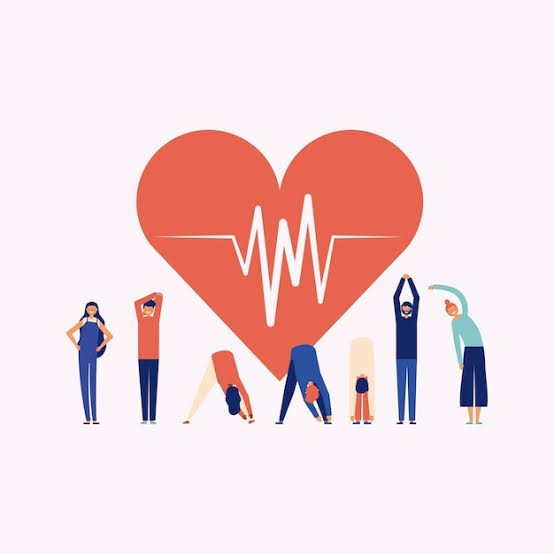
The heart is a muscle. The heart health is interconnected with exercise. The heart is a pumping organ which pumps more blood when you exercise, which improves its functioning capacity and improves its strength.
The World Health Organisation and the American Heart Association recommend:
At least 150 minutes per week of moderate activity (like brisk walking), or
75 minutes per week of vigorous activity (like jogging),
Plus muscle-strengthening activities twice weekly
How Physical Activity Helps Your Heart
1. Lowers Blood Pressure
When the heart pumps blood continuously, the blood vessels relax and are able to allow blood to flow easily through the vessels.
2. Improves Cholesterol
Exercise can:
Raise “good” HDL cholesterol
Lower “bad” LDL cholesterol
Lower triglycerides
Improve overall cholesterol balance
3. Controls Blood Sugar
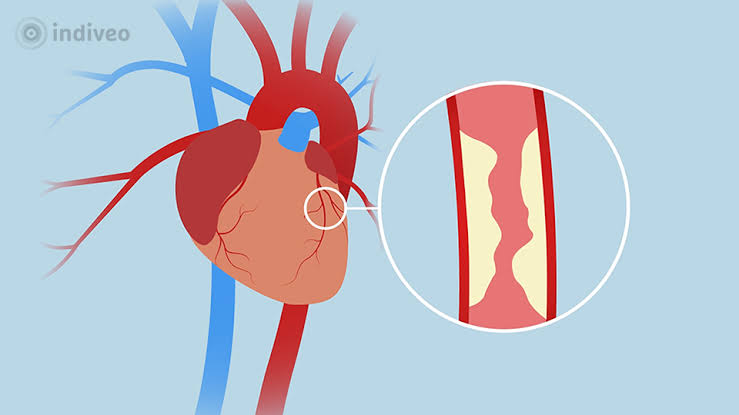
Blood sugar levels are controlled by insulin levels. Regular exercise helps to regulate insulin levels and improve overall blood sugar levels. Reduction in blood sugar levels reduces the damage to the blood vessels, which in turn reduces the risk of heart diseases.
4. Reduces Inflammation
Long-term inflammation could result in heart diseases. Regular, consistent exercise could help reduce inflammatory changes and help promote heart health.
5. Strengthens the Heart Muscle
With consistent activity:
The heart pumps more efficiently
Resting heart rate may decrease
Circulation improves
Physical Activity Lowers Risk of Heart Disease
People who are physically active have a lower risk of:
Heart attacks
Stroke
Heart failure
Sudden cardiac death
Importantly, the biggest benefit happens when someone moves from being completely inactive to doing even modest activity.
Sitting Too Much Is a Risk
Long periods of sitting can negatively affect heart health, even if you exercise regularly. Try to:
Stand up every 30–60 minutes
Take short walking breaks
Use stairs when possible
Small movement breaks matter.
What Counts as Physical Activity?
You do not need to exercise aggressively. Examples include:
Brisk walking
Cycling
Swimming
Dancing
Gardening
Climbing stairs
Playing with children
What is the difference between normal and brisk walk?
Normal walk
Brisk walk
Intensity
Light
Moderate
Heart rate
40 - 50%
50 - 70%
Breathing
Slight change
Noticeably faster
Calories
Lower
Higher
Talking
Can sing
Can talk, can’t sing
Heart benefits
Basic circulation
Heart strengthening
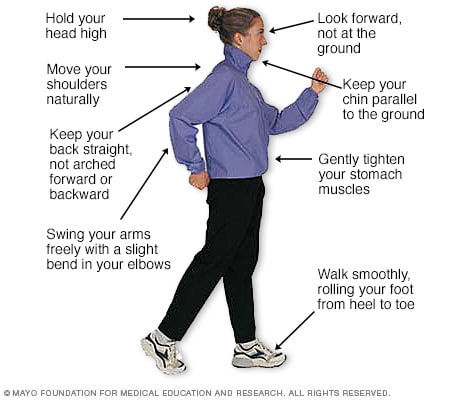
How to walk correctly?
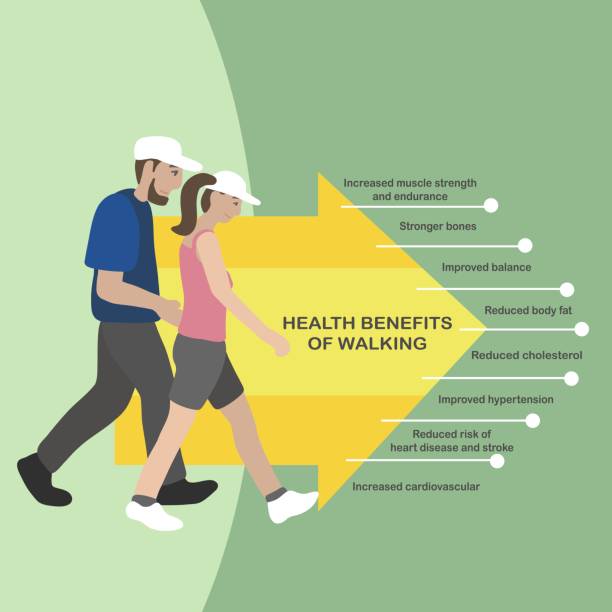
Benefits of walking
The ending note
Physical activity is one of the most effective tools for protecting your heart. It lowers blood pressure, improves cholesterol, controls blood sugar, reduces inflammation, and strengthens the heart muscle.
You do not need extreme workouts. Regular, moderate movement when done consistently can significantly reduce your risk of heart disease and improve overall well-being.
The heart is a muscle. The heart health is interconnected with exercise. The heart is a pumping organ which pumps more blood when you exercise, which improves its functioning capacity and improves its strength.
The World Health Organisation and the American Heart Association recommend:
At least 150 minutes per week of moderate activity (like brisk walking), or
75 minutes per week of vigorous activity (like jogging),
Plus muscle-strengthening activities twice weekly
How Physical Activity Helps Your Heart
1. Lowers Blood Pressure
When the heart pumps blood continuously, the blood vessels relax and are able to allow blood to flow easily through the vessels.
2. Improves Cholesterol
Exercise can:
Raise “good” HDL cholesterol
Lower “bad” LDL cholesterol
Lower triglycerides
Improve overall cholesterol balance
3. Controls Blood Sugar
Blood sugar levels are controlled by insulin levels. Regular exercise helps to regulate insulin levels and improve overall blood sugar levels. Reduction in blood sugar levels reduces the damage to the blood vessels, which in turn reduces the risk of heart diseases.
4. Reduces Inflammation
Long-term inflammation could result in heart diseases. Regular, consistent exercise could help reduce inflammatory changes and help promote heart health.
5. Strengthens the Heart Muscle
With consistent activity:
The heart pumps more efficiently
Resting heart rate may decrease
Circulation improves
Physical Activity Lowers Risk of Heart Disease
People who are physically active have a lower risk of:
Heart attacks
Stroke
Heart failure
Sudden cardiac death
Importantly, the biggest benefit happens when someone moves from being completely inactive to doing even modest activity.
Sitting Too Much Is a Risk
Long periods of sitting can negatively affect heart health, even if you exercise regularly. Try to:
Stand up every 30–60 minutes
Take short walking breaks
Use stairs when possible
Small movement breaks matter.
What Counts as Physical Activity?
You do not need to exercise aggressively. Examples include:
Brisk walking
Cycling
Swimming
Dancing
Gardening
Climbing stairs
Playing with children
What is the difference between normal and brisk walk?
Normal walk
Brisk walk
Intensity
Light
Moderate
Heart rate
40 - 50%
50 - 70%
Breathing
Slight change
Noticeably faster
Calories
Lower
Higher
Talking
Can sing
Can talk, can’t sing
Heart benefits
Basic circulation
Heart strengthening
How to walk correctly?
Benefits of walking
The ending note
Physical activity is one of the most effective tools for protecting your heart. It lowers blood pressure, improves cholesterol, controls blood sugar, reduces inflammation, and strengthens the heart muscle.
You do not need extreme workouts. Regular, moderate movement when done consistently can significantly reduce your risk of heart disease and improve overall well-being.
The heart is a muscle. The heart health is interconnected with exercise. The heart is a pumping organ which pumps more blood when you exercise, which improves its functioning capacity and improves its strength.
The World Health Organisation and the American Heart Association recommend:
At least 150 minutes per week of moderate activity (like brisk walking), or
75 minutes per week of vigorous activity (like jogging),
Plus muscle-strengthening activities twice weekly
How Physical Activity Helps Your Heart
1. Lowers Blood Pressure
When the heart pumps blood continuously, the blood vessels relax and are able to allow blood to flow easily through the vessels.
2. Improves Cholesterol
Exercise can:
Raise “good” HDL cholesterol
Lower “bad” LDL cholesterol
Lower triglycerides
Improve overall cholesterol balance
3. Controls Blood Sugar
Blood sugar levels are controlled by insulin levels. Regular exercise helps to regulate insulin levels and improve overall blood sugar levels. Reduction in blood sugar levels reduces the damage to the blood vessels, which in turn reduces the risk of heart diseases.
4. Reduces Inflammation
Long-term inflammation could result in heart diseases. Regular, consistent exercise could help reduce inflammatory changes and help promote heart health.
5. Strengthens the Heart Muscle
With consistent activity:
The heart pumps more efficiently
Resting heart rate may decrease
Circulation improves
Physical Activity Lowers Risk of Heart Disease
People who are physically active have a lower risk of:
Heart attacks
Stroke
Heart failure
Sudden cardiac death
Importantly, the biggest benefit happens when someone moves from being completely inactive to doing even modest activity.
Sitting Too Much Is a Risk
Long periods of sitting can negatively affect heart health, even if you exercise regularly. Try to:
Stand up every 30–60 minutes
Take short walking breaks
Use stairs when possible
Small movement breaks matter.
What Counts as Physical Activity?
You do not need to exercise aggressively. Examples include:
Brisk walking
Cycling
Swimming
Dancing
Gardening
Climbing stairs
Playing with children
What is the difference between normal and brisk walk?
Normal walk
Brisk walk
Intensity
Light
Moderate
Heart rate
40 - 50%
50 - 70%
Breathing
Slight change
Noticeably faster
Calories
Lower
Higher
Talking
Can sing
Can talk, can’t sing
Heart benefits
Basic circulation
Heart strengthening
How to walk correctly?
Benefits of walking
The ending note
Physical activity is one of the most effective tools for protecting your heart. It lowers blood pressure, improves cholesterol, controls blood sugar, reduces inflammation, and strengthens the heart muscle.
You do not need extreme workouts. Regular, moderate movement when done consistently can significantly reduce your risk of heart disease and improve overall well-being.