Autoimmune Diseases and Oral Manifestations: Clinical Overview
Explore autoimmune diseases and their oral manifestations, including clinical features, diagnosis, and management in dental and medical practice.



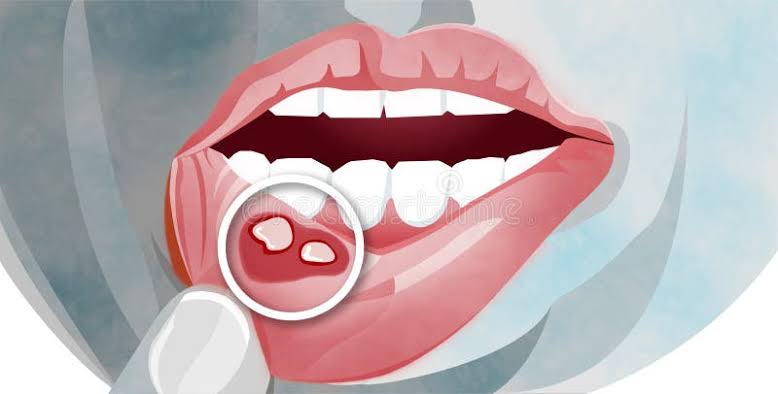
Autoimmune diseases and syndromes occur when the defense mechanism of our own body fails to recognize itself and attacks itself. This leads to self-destruction of our body’s own cells, causing disease in a healthy individual.
The oral cavity is vulnerable to autoimmune diseases due to its
Rich vascular and immune supply
High cell turnover rate
Constant exposure to bacterial pathogens
Presence of salivary glands
Autoimmune activity targets oral epithelium, connective tissue, salivary glands, or basement membrane structures, resulting in chronic inflammation and mucosal breakdown.
Xerostomia (dry mouth)
Recurrent aphthous ulcers
Desquamative gingivitis
Erythematous or erosive mucosal lesions
Oral candidiasis
Burning mouth sensation
Dysgeusia (altered taste)
It is a chronic systemic autoimmune disease that attacks the moisture-producing glands such as eyes and oral cavity.
Oral manifestations
Severe dry mouth (xerostomia)
Difficulty chewing and swallowing
Rampant dental caries
Oral candidiasis
Atrophic oral mucosa
Clinical significance
Dentists are usually the first to detect this syndrome. Unexplained long-term dry mouth is often the first sign. Clinicians should consider lacrimal and salivary flow testing and referral.
It is a dermal and mucosal autoimmune disease characterized by a butterfly-like rash over the middle part of the face due to immune complex deposition.
Oral manifestations
Painless oral ulcers
Erythematous or lichenoid lesions
Cheilitis
Secondary infections due to immunosuppressive therapy
Clinical significance
Oral ulcers are included in SLE diagnostic criteria and may resemble oral lichen planus.
It is a T-cell-mediated autoimmune disease affecting the oral cavity.
Oral manifestations
Reticular white striations (Wickham striae)
Erosive or ulcerative lesions
Burning sensation or pain
Desquamative gingivitis
Clinical significance
Requires long-term monitoring due to malignant transformation risk.
Autoantibodies against structures anchoring cells together, which cause blistering.
Oral manifestations
Fragile vesicles that rupture easily
Painful erosions and ulcers
Oral lesions often occur before skin involvement
Clinical significance
Early oral diagnosis is lifesaving
Positive Nikolsky sign, where the outer layer of skin gets detached from the inner layer after rubbing
Autoantibodies against basement membrane components.
Oral manifestations
Desquamative gingivitis
Chronic blistering and erosions
Scarring in severe cases
Clinical significance
Gingival involvement is common.
Systemic inflammatory autoimmune disease affecting joints, especially knee joints.
Oral manifestations
Temporomandibular joint involvement
Dry mouth
Periodontal disease association
Clinical significance
Bidirectional relationship between periodontitis and rheumatoid arthritis. Periodontal inflammation may influence systemic disease activity.
Immune-mediated reaction to gluten.
Oral manifestations
Recurrent aphthous ulcers
Enamel hypoplasia
Delayed tooth eruption
Glossitis and angular cheilitis
Clinical relevance
Oral signs may appear before gastrointestinal symptoms. Pediatric dental findings are particularly important.
Many autoimmune patients receive:
Corticosteroids
Methotrexate
Biologic agents
Oral implications
Increased risk of opportunistic infections
Delayed wound healing
Masking of inflammatory signs
Early recognition of abnormal or persistent oral lesions
Differentiation between autoimmune disease and common oral conditions
Timely referral to rheumatology, dermatology, or oral medicine
Preventive care essential due to high caries and periodontal risk
Neville BW et al. Oral and Maxillofacial Pathology
Scully C, Porter S. Oral mucosal disease: autoimmune disorders
Fox RI. Sjögren’s syndrome. Lancet
European Association of Oral Medicine. Clinical guidelines
Aliko A et al. Oral lichen planus and autoimmune mechanisms
Autoimmune diseases and syndromes occur when the defense mechanism of our own body fails to recognize itself and attacks itself. This leads to self-destruction of our body’s own cells, causing disease in a healthy individual.
The oral cavity is vulnerable to autoimmune diseases due to its
Rich vascular and immune supply
High cell turnover rate
Constant exposure to bacterial pathogens
Presence of salivary glands
Autoimmune activity targets oral epithelium, connective tissue, salivary glands, or basement membrane structures, resulting in chronic inflammation and mucosal breakdown.
Xerostomia (dry mouth)
Recurrent aphthous ulcers
Desquamative gingivitis
Erythematous or erosive mucosal lesions
Oral candidiasis
Burning mouth sensation
Dysgeusia (altered taste)
It is a chronic systemic autoimmune disease that attacks the moisture-producing glands such as eyes and oral cavity.
Oral manifestations
Severe dry mouth (xerostomia)
Difficulty chewing and swallowing
Rampant dental caries
Oral candidiasis
Atrophic oral mucosa
Clinical significance
Dentists are usually the first to detect this syndrome. Unexplained long-term dry mouth is often the first sign. Clinicians should consider lacrimal and salivary flow testing and referral.
It is a dermal and mucosal autoimmune disease characterized by a butterfly-like rash over the middle part of the face due to immune complex deposition.
Oral manifestations
Painless oral ulcers
Erythematous or lichenoid lesions
Cheilitis
Secondary infections due to immunosuppressive therapy
Clinical significance
Oral ulcers are included in SLE diagnostic criteria and may resemble oral lichen planus.
It is a T-cell-mediated autoimmune disease affecting the oral cavity.
Oral manifestations
Reticular white striations (Wickham striae)
Erosive or ulcerative lesions
Burning sensation or pain
Desquamative gingivitis
Clinical significance
Requires long-term monitoring due to malignant transformation risk.
Autoantibodies against structures anchoring cells together, which cause blistering.
Oral manifestations
Fragile vesicles that rupture easily
Painful erosions and ulcers
Oral lesions often occur before skin involvement
Clinical significance
Early oral diagnosis is lifesaving
Positive Nikolsky sign, where the outer layer of skin gets detached from the inner layer after rubbing
Autoantibodies against basement membrane components.
Oral manifestations
Desquamative gingivitis
Chronic blistering and erosions
Scarring in severe cases
Clinical significance
Gingival involvement is common.
Systemic inflammatory autoimmune disease affecting joints, especially knee joints.
Oral manifestations
Temporomandibular joint involvement
Dry mouth
Periodontal disease association
Clinical significance
Bidirectional relationship between periodontitis and rheumatoid arthritis. Periodontal inflammation may influence systemic disease activity.
Immune-mediated reaction to gluten.
Oral manifestations
Recurrent aphthous ulcers
Enamel hypoplasia
Delayed tooth eruption
Glossitis and angular cheilitis
Clinical relevance
Oral signs may appear before gastrointestinal symptoms. Pediatric dental findings are particularly important.
Many autoimmune patients receive:
Corticosteroids
Methotrexate
Biologic agents
Oral implications
Increased risk of opportunistic infections
Delayed wound healing
Masking of inflammatory signs
Early recognition of abnormal or persistent oral lesions
Differentiation between autoimmune disease and common oral conditions
Timely referral to rheumatology, dermatology, or oral medicine
Preventive care essential due to high caries and periodontal risk
Neville BW et al. Oral and Maxillofacial Pathology
Scully C, Porter S. Oral mucosal disease: autoimmune disorders
Fox RI. Sjögren’s syndrome. Lancet
European Association of Oral Medicine. Clinical guidelines
Aliko A et al. Oral lichen planus and autoimmune mechanisms
Autoimmune diseases and syndromes occur when the defense mechanism of our own body fails to recognize itself and attacks itself. This leads to self-destruction of our body’s own cells, causing disease in a healthy individual.
The oral cavity is vulnerable to autoimmune diseases due to its
Rich vascular and immune supply
High cell turnover rate
Constant exposure to bacterial pathogens
Presence of salivary glands
Autoimmune activity targets oral epithelium, connective tissue, salivary glands, or basement membrane structures, resulting in chronic inflammation and mucosal breakdown.
Xerostomia (dry mouth)
Recurrent aphthous ulcers
Desquamative gingivitis
Erythematous or erosive mucosal lesions
Oral candidiasis
Burning mouth sensation
Dysgeusia (altered taste)
It is a chronic systemic autoimmune disease that attacks the moisture-producing glands such as eyes and oral cavity.
Oral manifestations
Severe dry mouth (xerostomia)
Difficulty chewing and swallowing
Rampant dental caries
Oral candidiasis
Atrophic oral mucosa
Clinical significance
Dentists are usually the first to detect this syndrome. Unexplained long-term dry mouth is often the first sign. Clinicians should consider lacrimal and salivary flow testing and referral.
It is a dermal and mucosal autoimmune disease characterized by a butterfly-like rash over the middle part of the face due to immune complex deposition.
Oral manifestations
Painless oral ulcers
Erythematous or lichenoid lesions
Cheilitis
Secondary infections due to immunosuppressive therapy
Clinical significance
Oral ulcers are included in SLE diagnostic criteria and may resemble oral lichen planus.
It is a T-cell-mediated autoimmune disease affecting the oral cavity.
Oral manifestations
Reticular white striations (Wickham striae)
Erosive or ulcerative lesions
Burning sensation or pain
Desquamative gingivitis
Clinical significance
Requires long-term monitoring due to malignant transformation risk.
Autoantibodies against structures anchoring cells together, which cause blistering.
Oral manifestations
Fragile vesicles that rupture easily
Painful erosions and ulcers
Oral lesions often occur before skin involvement
Clinical significance
Early oral diagnosis is lifesaving
Positive Nikolsky sign, where the outer layer of skin gets detached from the inner layer after rubbing
Autoantibodies against basement membrane components.
Oral manifestations
Desquamative gingivitis
Chronic blistering and erosions
Scarring in severe cases
Clinical significance
Gingival involvement is common.
Systemic inflammatory autoimmune disease affecting joints, especially knee joints.
Oral manifestations
Temporomandibular joint involvement
Dry mouth
Periodontal disease association
Clinical significance
Bidirectional relationship between periodontitis and rheumatoid arthritis. Periodontal inflammation may influence systemic disease activity.
Immune-mediated reaction to gluten.
Oral manifestations
Recurrent aphthous ulcers
Enamel hypoplasia
Delayed tooth eruption
Glossitis and angular cheilitis
Clinical relevance
Oral signs may appear before gastrointestinal symptoms. Pediatric dental findings are particularly important.
Many autoimmune patients receive:
Corticosteroids
Methotrexate
Biologic agents
Oral implications
Increased risk of opportunistic infections
Delayed wound healing
Masking of inflammatory signs
Early recognition of abnormal or persistent oral lesions
Differentiation between autoimmune disease and common oral conditions
Timely referral to rheumatology, dermatology, or oral medicine
Preventive care essential due to high caries and periodontal risk
Neville BW et al. Oral and Maxillofacial Pathology
Scully C, Porter S. Oral mucosal disease: autoimmune disorders
Fox RI. Sjögren’s syndrome. Lancet
European Association of Oral Medicine. Clinical guidelines
Aliko A et al. Oral lichen planus and autoimmune mechanisms

This is such a helpful post! Thanks for sharing these insights. Looking forward to more content like this.

Totally agree! The examples really helped clarify the concepts.

Great breakdown. I've been looking for something like this for a while.

This comment is pending approval.
Explore Topics

0%
Explore Topics
0%